

Kumba / ko͞om ́·bə /: creating
Meaning creating, Kumba is the first set of the Kanar glyphs, which focuses on both the conditions and forms of creation.
/ ē /
iwäli / ē·wäl ́·ē /
Literally translated as the beginning, iwäli is the original creative principle that initiates all action.
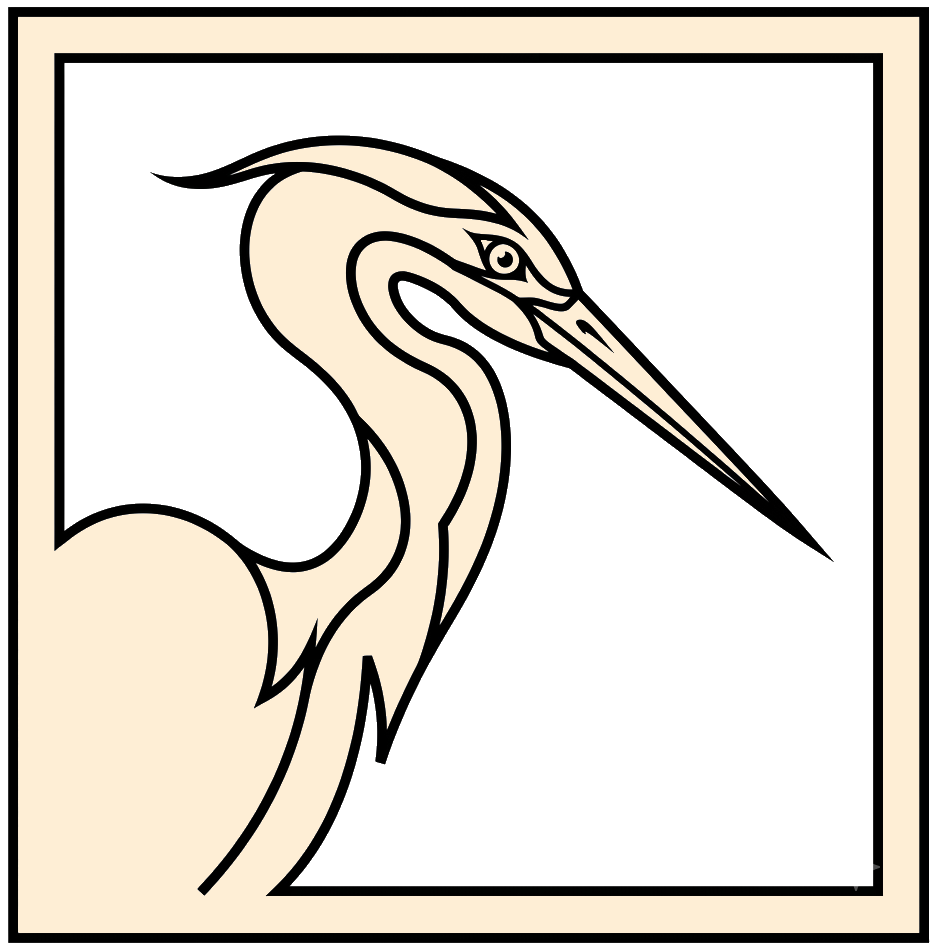
The heron is associated with iwäli in Batu mythology through Daw, the heron herald of the sun god, Jumara. It was the heron’s cry in the first dawn of the world that ushered in the beginning of all things as Daw sang the song of creation. It was this first sound issued by Daw that became the original yara, its sonic vibrations setting in motion the patterns and rhythms for the ensuing universe. The heron has come to be seen over time as a herald for all beginnings, who announces the coming of iwali’s creative force.
In divination, iwäli signifies limitless potential, which may foreshadow dramatic changes due to creative inspiration. Iwäli often leads to new beginnings that are refreshing, but at the price that something else must end. With every act of creation something else is simultaneously destroyed, underscoring the value in the practice of non-attachment.
As a talisman, or when bound to an amulet, iwäli will enhance the bearer’s productivity in a creative fashion, while at the same time helping to let go of old ideas.
/ ī /
aifujo / ī· fo͞o ́· jō /
Meaning chaos, aifujo is linked with Umi in Batu mythology, which is the celestial river seen in the night sky (the Milky Way) that bridges this world to the formless chaos beyond and to That Which Has No Name. It is along the river of Umi that the creative energies of chaos and the potentialities of form flow down to the lower three realms of existence. But aifujo is specifically those random elements of creation that are essential for true innovation.
The drum is the power object associated with aifujo, used by the shaman to establish a focus and form a pattern from the chaos. When a shaman goes to fashion his ceremonial drum, which is essential for vision quests, he enters a certain section of the forest with his eyes closed. He listens to the beat of the future drum in his mind while shuffling and dancing to the rhythm as he lets himself be blindly by aifujo. The first tree he bumps into is the one from which he must make his drum. Aifujo has led him to the tree which he must transform into a drum, and then as he uses it the drum will transform him.
In divination, aifujo signifies untamed power, which implies a need for focusing primal energies in a way that draws out potential patterns from chaos. Aifujo may also indicate a need to rely on intuition for innovative problem solving.
As a talisman, aifujo is primarily utilized within the inscriptions crafted upon ceremonial drums, especially those drums of the shaman.
/ ā /
ebegu / ā·bā ́· go͞o /
Literally translated as seed, ebegu is the active male component of creation, primarily associated with the sun god, Jumara.
There are several variations in the myths of origin concerning Jumara’s relationship with his twin sister Damara, and they each involve the planting of the seed ebegu, from which the lesser gods and all other life forms sprang. The earliest story has Jumara planting his seed within the womb of Mara – the soil of the world – which combined with the fertile powers of his sister Damara and produced the Obamti Tree. Also known as The Great Mother. The Obamti Tree grew to span and connect the four realms of existence, acting as a bridge and axis for all creation. It is from the fruit of The Great Mother that all life first came into the world.
The feathered arrow is typically linked to the sun god, Jumara, as a simple ascension symbol, but it more specifically represents the shafts of light he projects to the world below, conveying his seed and the power of ebegu. Jumara is also known as The Father of the Hunt, as he was the first and the greatest of all hunters. The stars themselves are the herds upon which Jumara preys each morning, using his arrows of golden light to vanquish them all.
In divination, the appearance ebegu often indicates the hakka – the time of mating for young men and women. But depending on the corresponding signs that appear with it, ebegu may simply reflect a sewing of the seeds of change.
As a talisman, or when bound to an amulet, ebegu will help overcome sexual impotence in men while enhancing attraction and arousal in women.
/ a /
attuba / a·to͞o ́·bə /
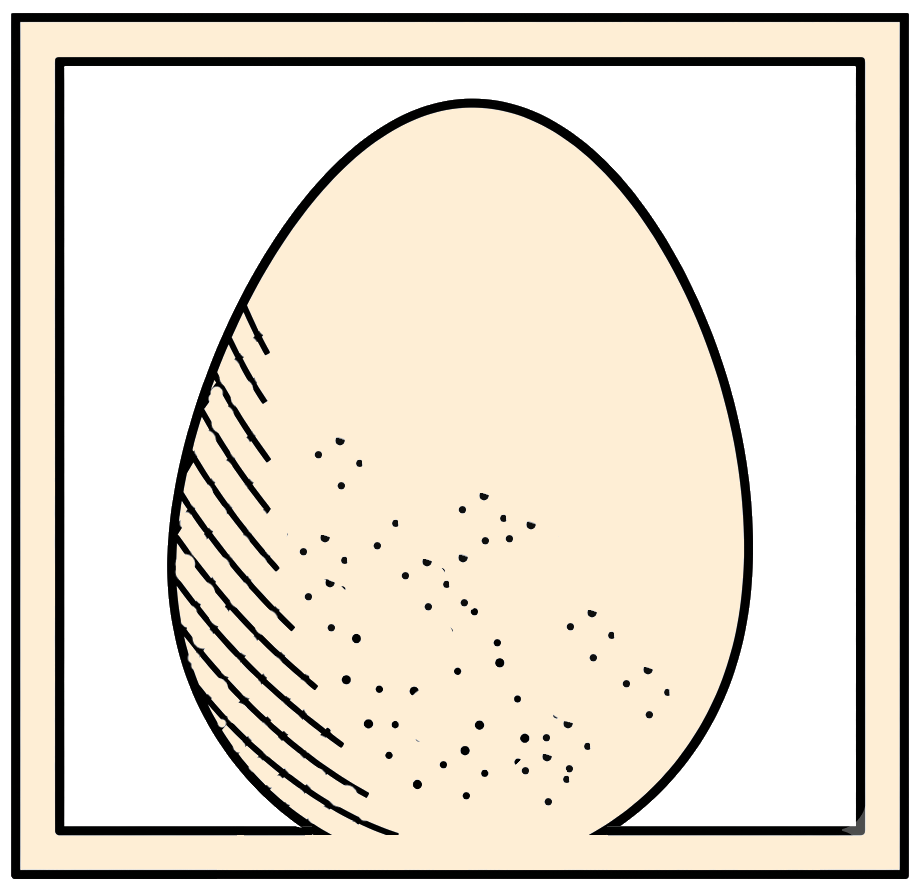
Attuba is the principle of creative gestation. Literally meaning fertility, atuuba is the creative egg, out of which everything comes into being. Protecting and nurturing, attuba is the hidden potential enclosed within.
In Batu cosmogony, attuba was the primordial egg from That Which Has No Name formed and fertilized alone, wrapped in darkness. It was from this egg that the first twins, Damara and Jumara, were born. The fragmented shell then became the body of Mara – the world of form.
Damara is the goddess of fertility and is thus intimately linked with the creative potential of attuba. It was the combination of Jumara’s seed, ebegu, and Damara’s egg, attuba, that led to the formation of life within the world of Mara.
In divination, attuba represents power within what is yearning to be released. It suggests a building pressure of energies on the verge of breaking out of their containment. Attuba foretells the approach of dramatic liberation, but care is indicated since it is often that attuba is accompanied by violence.
As a talisman, or when bound to an amulet, attuba is most often used as a fertility charm, not only to aid with inception but to empower the child throughout its gestation.
1.
2.
3.
4.









Kitänzi / kē· tän ́·zē /: cycling
Literally meaning to loop or repeat, Kitänzi is related to the rhythms and cycles of existence. Each of the four glyphs in this second set reflects the establishment and influences of those primary forces that regulate change.
/ e /
essiku / e· sē ́·ko͞o /
Essiku literally translates as day, but in this context, it refers to the light of day, its varying phases, and the passage of one day to the next. Essiku speaks to the ordered movement of Apara – the Kanar word, meaning the sun. Though Jumara is the sun god he is depicted in Batu iconography as humanoid, while the sun itself is merely his celestial manifestation, known as Apara.
In Batu cosmogony, the days were created when Damara, the goddess of fertility, transformed herself into the moon, Jukun, and her brother Jumara fashioned a radiant vessel from acacia wood, overlaid with pure gold inside and out, in order to pursue his sister across the blue ocean of the sky. When he does this, he becomes the sun, Apara. As Jukun, Damara retreats to hide from her brother each morning within the world of Mara. Thus, the goddess of fertility travels through the womb of the world all day long only to rise again as the moon once Jumara descends in his pursuit each evening. It is his never-ending chase of his sister across the sky then through the womb of the of the world that creates the phases and cycle of the days.
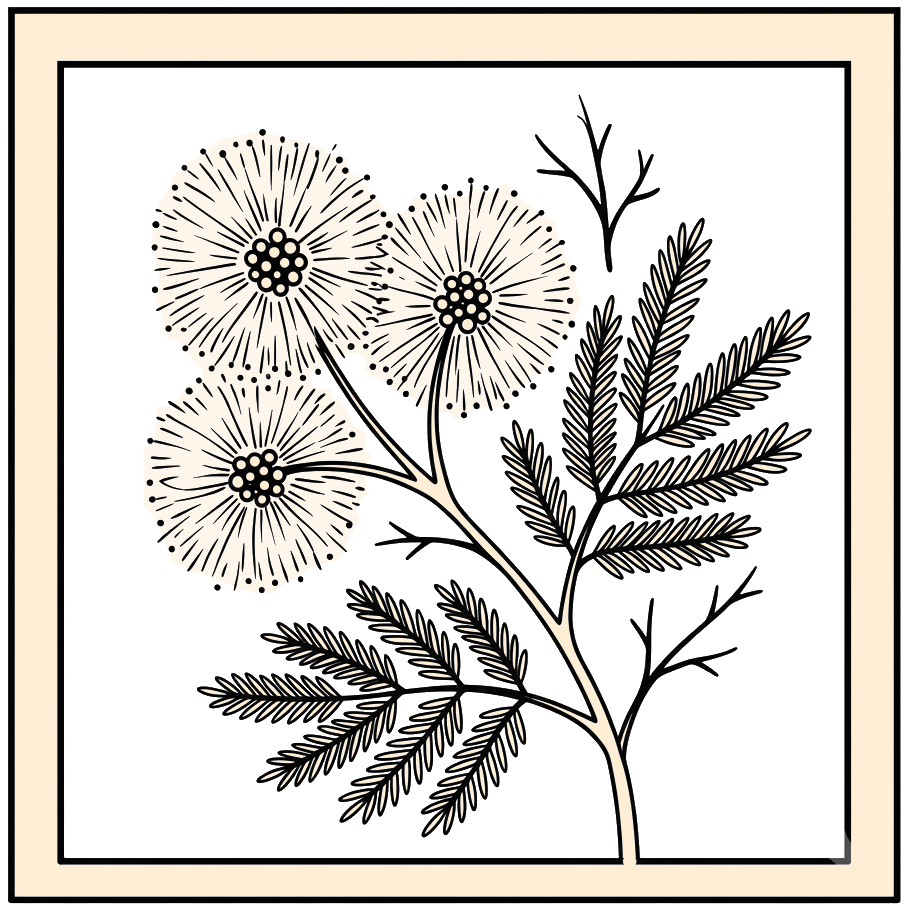
The mimosa flower is associated with essiku due to its golden petals and its leaves that respond to the light of the sun by unfolding. The mimosa was the first flower to bloom within the world when Jumara first coupled with his sister, and it is a symbol of regeneration like Jumara himself.
In divination, essiku signifies a shifting change of perception. An awakening that may bring clear vision but is a fluctuating phenomenon that will come and go repeatedly.
As a talisman, or when bound to an amulet, essiku will boost your confidence and light your way on your daily quests, enhancing your sense of direction so you never get lost.
/ a /
asiku / ə· sē ́·ko͞o /
Meaning night, asiku specifically refers to the moon Jukun, and the lunar phases that act as time signatures within the Batu calendar.
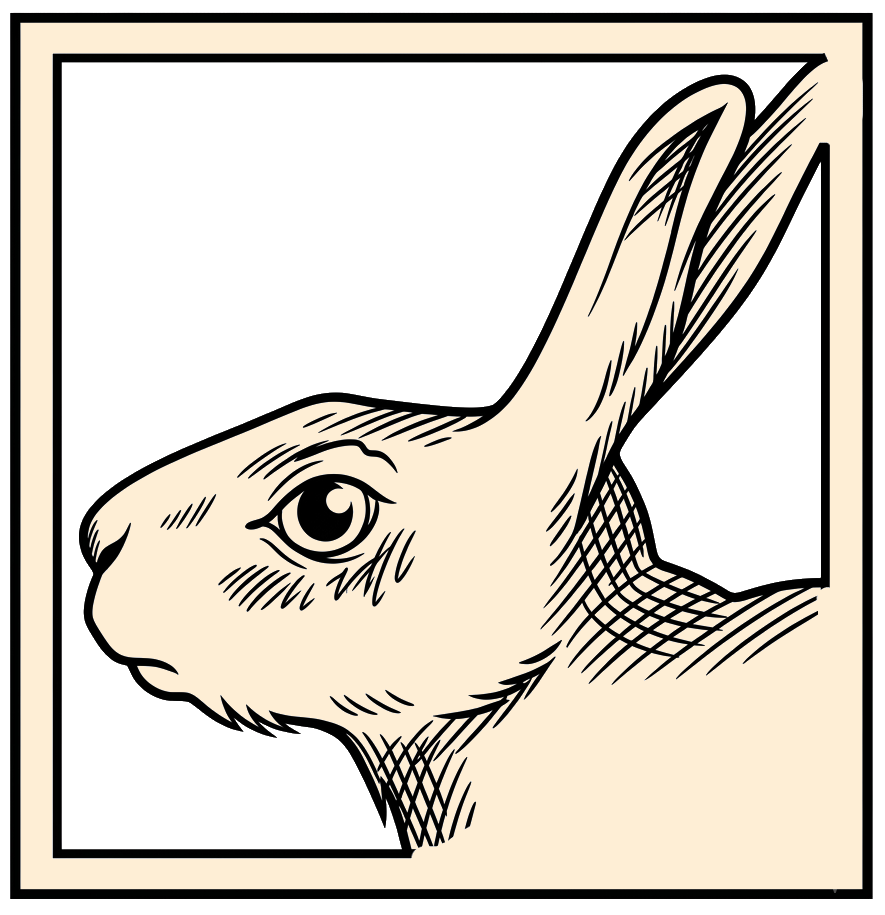
The hare is associated with asiku and Jukun through Tapu, the trickster hare and culture hero featured in the four-part myth cycle known as The Napatawalata. Tapu is a fertility symbol whose image is seen within the markings on the moon mixing a love elixir with a mortar and pestle. These markings first appeared when the sun attempted to couple with his sister, the moon, and its flames scorched her surface. Her pale face was left permanently scarred and Jukun fled from her brother’s sight in pain and shame and has been running from him ever since.
The phases of the moon are explained within Batu mythology by the pursuit of the sun god, Jumara, as he chases his sister Damara in the form of Jukun, the moon. The reflecting light of her brother gradually lights up Jukun’s face more and more with each passing night as he draws closer and closer. Once her face is fully lit, flushed with the light of the sun, a golden corona encompasses Jukun’s face, signaling her brother’s triumph. In that moment of panic, she spills her own blood upon the world of Mara in order to lighten her load and make her escape. She is then able to gradually outdistance her brother and eventually disappears within the underworld where she hides for three days before being born again to walk the night sky once more.
In divination, asiku usually indicates the coming of a woman’s menstrual cycle. Just as Jukun purged her blood upon the world of Mara, cleansing the land and making the soil below her more fertile, so also must a woman periodically purge her womb for regeneration.
As a talisman, or when bound to an amulet, asiku will aid the bearer to become more attuned to his or her personal phases and natural rhythms.
/ i /
ittika / i· tē ́·kə /
Meaning rebirth, the principle of ittika is intimately linked to the moon with its inevitable death and resurrection each month.
Within Batu cosmogony the Water of Life, located within the underworld of Alodia, is the fundamental catalyst for all aspects of regeneration. Situated within the heart of the land of the dead, the Water of Life is a vast subterranean lake the moon must pass through on each of her journeys through Alodia before being reborn again to the world above. Some myths have it that there are four springs within the world of Mara whose sources are the Water of Life spouting from the underworld of Alodia. And though the location of three of the four springs has been lost and forgotten over the eons, legend has it that Mugasha – the founder of the Batu tribe – rediscovered one of the four springs within the heart of Mount Kunama as he beat the Passage of Mugasha through the mountain.
The ibis is associated with ittika as a lunar symbol, its long curving beak being reminiscent of the waxing crescent moon in its first phase of rebirth. Within Batu mythology Ijoka is the ibis herald of Damara and the moon Jukun and is commonly referred to as the bird of reincarnation.
In divination, ittika is often specifically referring to the vegetation cycle of death and renewal, directing the optimal moment for harvesting specific fruits. But it may also carry a more general meaning indicating the reappearance of familiar forms, both material and non-material.
As a talisman, or when bound to an amulet, ittika is harnessed to promote the awareness and power of regeneration, and the reemergence of old forms once lost.
/ a /
ävua / ä·vo͞o ́·ə /
Translated as rain, ävua is more broadly applied to the fluctuations between the dry season and the wet season. Ävua is the principle of patience and reward, seen through the gradual transformations of seasonal fruition.
The frog is associated with ävua as a symbol of change due to its multiple transformations from an egg into a tadpole, then finally to a frog. In Batu cosmogony, following the original formation of all living things, the water spirits and the land spirits divided the animals between them until all that was left was the frog. The land spirits quarreled with the water spirits and began tugging on the poor frog until his legs, arms, toes, and fingers became stretched. Finally, the frog cried out, “Please let me go! I will stay with both of you.” And so it is that the frog spends half his time in water and half his time on land.
Within Batu cosmogony, the frog is also associated with the sky god, Wutan. The frog has a unique sense for the slightest change of moisture in the air, and though well hidden under logs, rocks, and rotting vegetation in the dry season, he becomes omnipresent with the coming spring when he mates, making himself well known to all with his deep croak to attract females. In this way, he becomes a harbinger for Wutan when the sky god sends the spring rains.
In divination, ävua not only indicates the shift of seasons, but may also point to an approaching transformative experience. The rains usually come pouring down until the land is waterlogged and little more than a lake. So, it is within the individual – once the storms of life let up, if you practice patience, the waters inevitably and gradually filter down into the soil where growth begins.
As a talisman, or when bound to an amulet, ävua will work to sustain your patience through the trials of the changing seasons.
5.
6.
7.
8.








Daräja / də·rä ́·jə /: bridging
Translated as bridges, daräja is the theme in this third set showing how the interconnections in Batu cosmogony span between the four realms of existence while connecting and uniting them all.
/ u̇ /
u̇joka / oo·jō ́·kə /
Literally translated as a large snake or dragon, u̇joka is more loosely defined as a rainbow, and is the principle of hope that bridges barriers, heals rifts, and corrects imbalances.
Within Batu cosmogony, the power of u̇joka was first brought to bear by the sun god, Jumara, and his twin sister, Damara, the goddess of fertility. Separated due to the discomfort of their opposing nature, the twins eventually learned to weave their elements together to reestablish their connection with one another. Formed from the blending of Jumara’s light with the shedding Damara’s tears, the first rainbow was created as a bridge of pure color, which serves as a symbol for their bond while reconnecting the sun above with the world below.
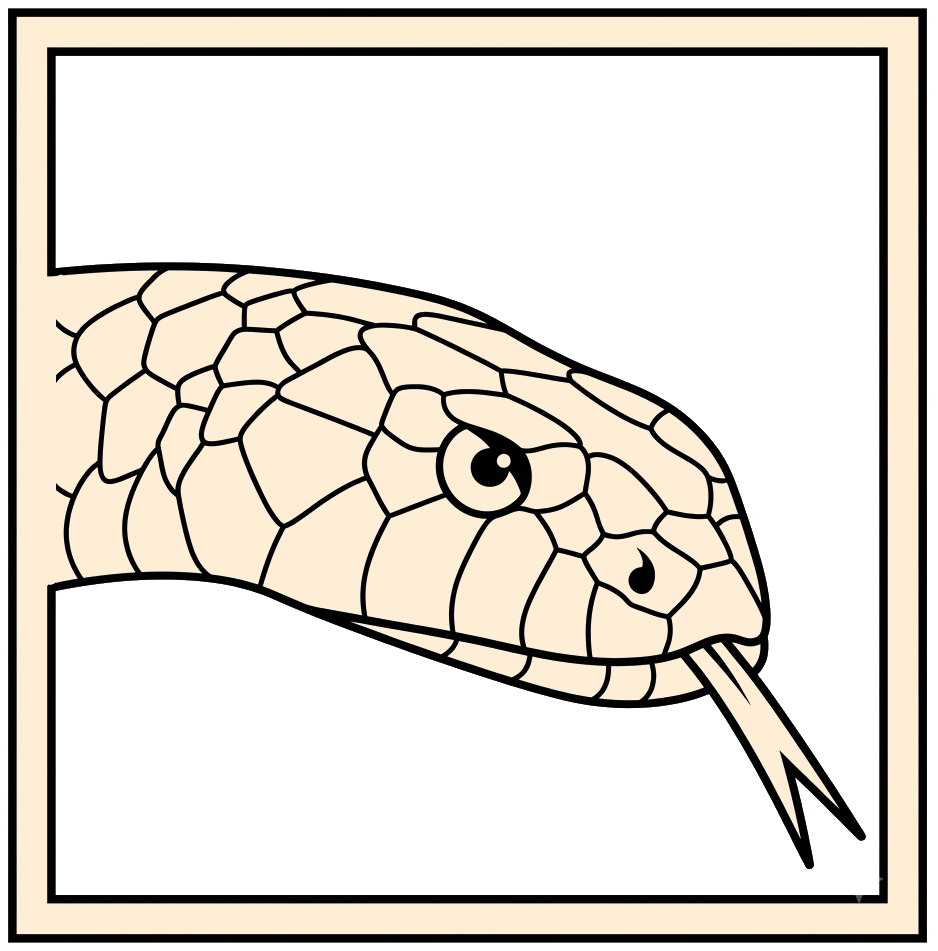
The serpent is associated with u̇joka as a common rainbow symbol, while adding the dimension of healing and renewal due to a snake’s ability to shed its skin.
In divination, u̇joka indicates hope for easing hostility and healing rifts. It points to the need for empathy and understanding, which will form a bridge of awareness to sympathize with opposing points of view.
As a talisman, or when bound to an amulet, u̇joka draws together the material and non-material elements of apposing forces to establish a sense of balance.
/ u /
ulima / o͞o·lē ́·mə /
Translated as mountain, ulima is the principle of inner strength displayed through will power, tenacity, and a motivated striving for perfection while at the same time keeping aspirations grounded.
Mountains are closely linked with the powers of ulima, symbolizing a challenge for those who climb them both physically and spiritually. Ascending a mountain is associated with the challenge of self-discovery while simultaneously acting as a reminder of one’s limitations.
Within Batu cosmogony, the principle of ulima is primarily associated with Mara, the terrestrial world of form and life, and the third realm of existence, situated between the underworld below and the sky above. It was Mara’s striving to touch and reconnect with the first realm of existence through the celestial river of the Umi in the night sky (the Milky Way), which formed the first mountain ranges of the world. As Mara reached up, the area of her lands began to swell, straining to touch the river in the heavens that connects this world with That Which Has No Name.
In divination, ulima indicates impending challenges, either external or internal, that will require a focus of single-minded purpose to find satisfying resolutions.
As a talisman, or when bound to an amulet, ulima will help to draw together your energies and enhance their concentration toward a sustained effort in overcoming obstacles.
/ ou̇ /
au̇moji / ou̇·mō ́jē /
Literally meaning the moving waters, au̇moji is usually translated simply as river. Au̇moji is unconscious energy that purifies and connects you with the natural world as it flows downward along the paths of least resistance.
Within Batu cosmogony, au̇moji is linked with Moji, the humanoid goddess of waters, who forms the rivers and lakes within the world of Mara and Alodia. She stands upon the mountain tops in order to reach up and dip her gourd within Umi, the celestial river in the night sky (the Milky Way). Moji then pours her gourd from the lofty peaks, creating the rivers that flow down and form the lakes below, including the River Po – on of the four bridges to the underworld, Alodia. Moji is also the goddess invoked in purification rituals, and it was to her that Mugasha called upon to cleanse the world in a great flood, which initiated the age of Batu.
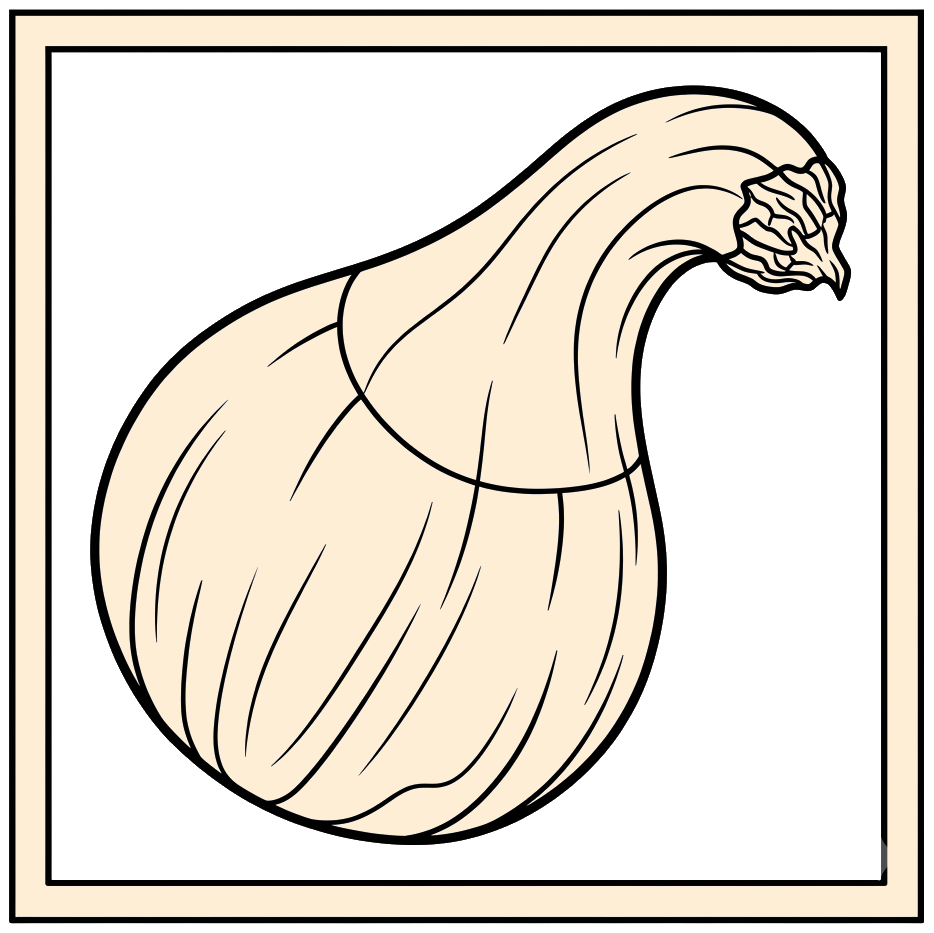
The gourd is associated with au̇moji as the gourd used to pour forth the rivers from the mountain tops by Moji. But the gourd also symbolized the mother’s womb where the fluids of life are generated and stored; without which life would soon die – the gourd’s stalk representing the umbilical cord.
In divination, au̇moji signifies the fluid movement of formless power with hidden and unrecognized motivations. River oracles are typically used as mediums to access au̇moji and the essence of Moji herself, who’s spirit inhabits all rivers, and will make her will known to the medium.
As a talisman, or when bound to an amulet, au̇moji will aid the bearer as it guides a traveler along the river highways that act as bridges from place to place within the world of Mara.
/ o /
obämti / ō·bäm ́tē /
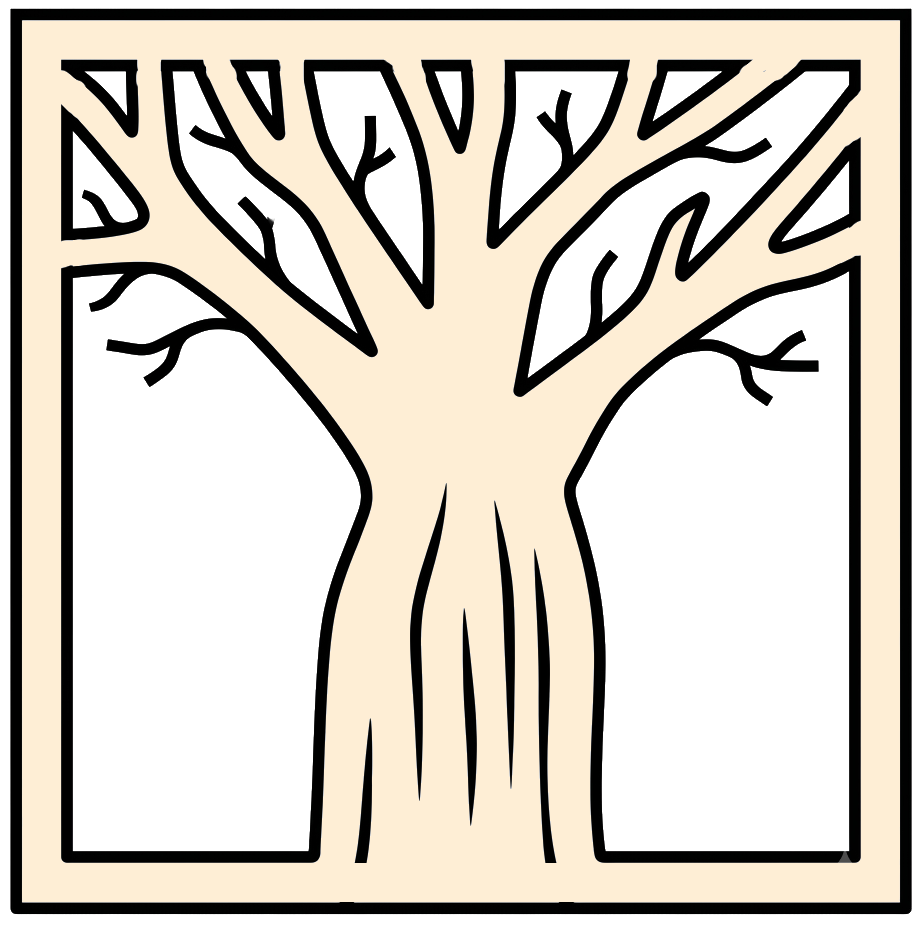
Meaning tree, obämti represents the principles of interconnectivity and longevity. Obämti is the thread of energy that spans all four realms of existence, tying everything together while nurturing an enduring process of exchange and distribution of life.
The baobab tree is associated with obämti in the birthing process as the Obämti Baobab, a specific tree that all four bands of the Batu tribe refer to as the Great Mother. This large tree contains hollowed birthing chambers that all expecting mothers utilize during their final stages of labor. In this way, virtually all members of the tribe can be said to have been born from this single tree – the Obämti Baobab.
Within Batu cosmogony, the Obämti Baobab is the axis of creation that bridges all four realms of existence: the underworld of Alodia, the world of Mara, the sky above, and the great beyond containing That Which Has No Name. Grown from the seed of the sun god, Jumara, planted and fertilized by the fertility goddess, Damara, the Obämti Baobab took root within Alodia, within the navel of the underworld. The tree drank directly from the celestial river of Umi as its branches stretched up like roots into the starry night sky. The tree continually fills its massive reservoirs with the celestial river water containing the power of umi, which then causes all the life of the world to bloom.
In divination, obämti signifies the coming of fruition. New manifestations will arise from a process of events that have been gradually developing for some time.
As a talisman, or when bound to an amulet, obämti will aid in breaking barriers, connecting with other realms, and drawing on the power of life.
9.
10.
11.
12.







umbo / o͞om ́·bō /: forming
The fourth set of Kanar glyphs focuses on the manifestations of life forms. Literally translated as forming, umbo also means to sing, which reflects the Batu belief that music is the primordial vibration of divine energy, invoking the various organizations of life.
/ oi /
angȯia / əNG·goi ́·ə /
Literally translated as the sky, angȯia is the principle of sublimation creatively manifested within the formations of aerial life, which rises above terrestrial life forms. Angȯia is the combination and creative expression of spirit and matter, just one step beyond and barely detached from the things of this world.
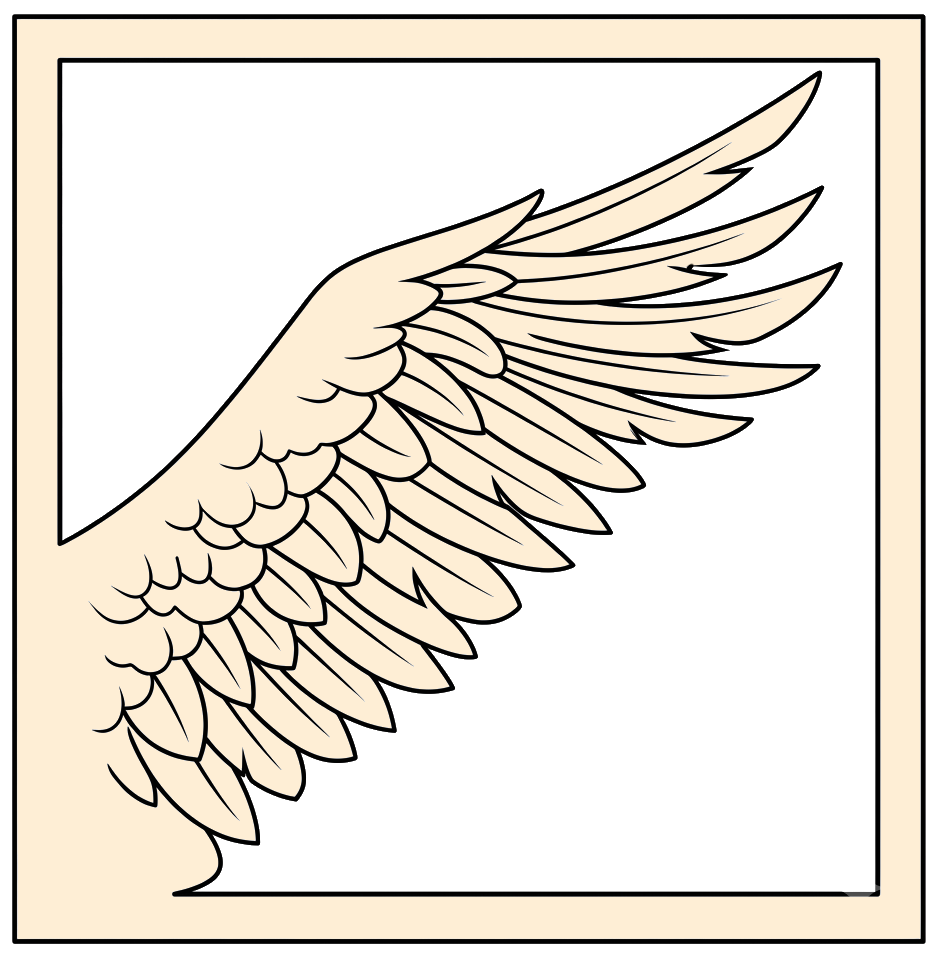
The image of a bird’s wing is associate with angȯia, symbolizing the seemingly supernatural ability of flight, which every creature of the sky possesses. It expresses a yearning for escape and release from the conflicts of the real world, and the flight of the liberated soul as it ascends into the blue.
Within Batu cosmology, it is the sky, know as Mawu, that represents the principles of angȯia in action. Among the four colors of the Batu tribe – red, yellow, green, and blue – it is the color of Mawu, the blue of the sky, that the least material of the four colors, designating it the color of spiritual life. Blue is the color least seen in nature except in the accumulation of emptiness, such as translucent crystals, large bodies of water, and the sky. The vastness and richness of the blue sky definitively separates itself from the world of man, while at the same time drawing their aspirations toward that world where matter is mixed with spirit and what is real becomes transformed into what is unreal.
In divination, angȯia relates to ten specific birds, each acting as the heralds for the ten godheads within the Vodun – the Batu pantheon. These bird heralds are the mediators and messengers of the gods, relaying their secrets to help mankind overcome the conflicts and problems of the world.
As a talisman, or when bound to an amulet, angȯia awakens in the bearer a sense of the spiritual vastness above the material world, while amplifying any messages that may come from there.
/ y /
yu̇dunia / yoo·do͞o·nē ́·ə /
Literally translated as the worth, yu̇dunia is the dual principle of production and consumption. Yu̇dunia represents the nature of the material world of Mara, a realm of infinite invention among its forms, though doomed nonetheless to being devoured in the end.
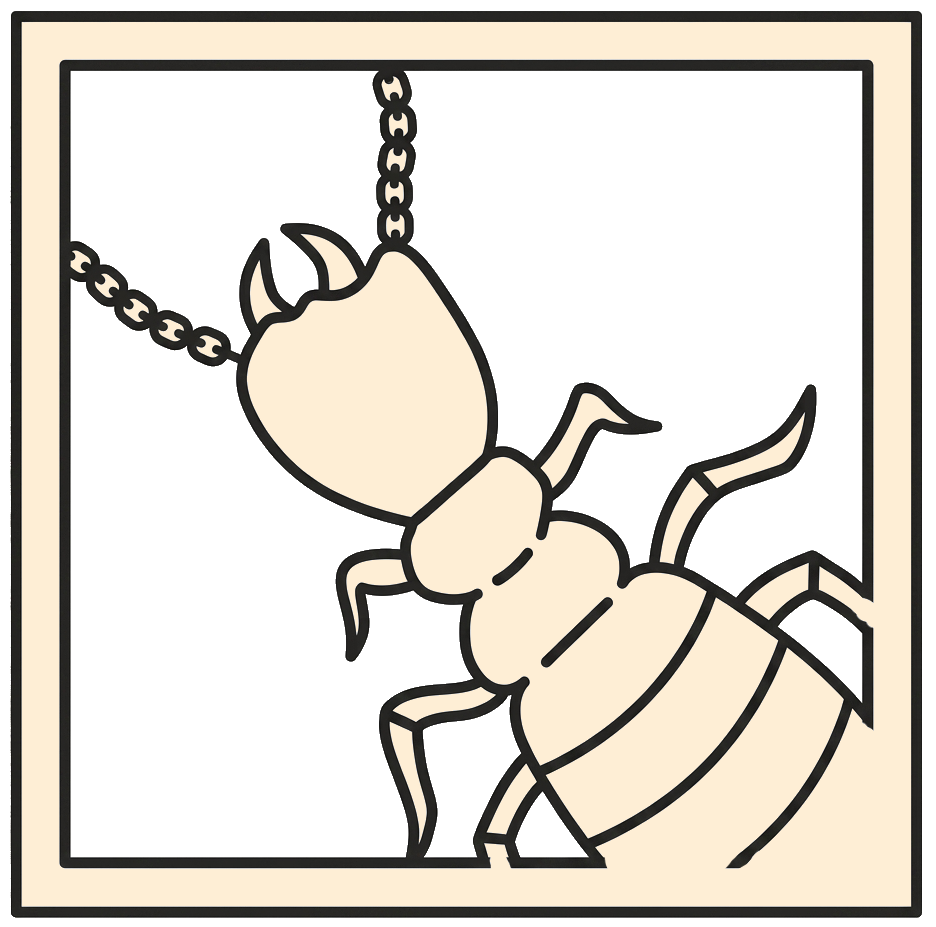
Termites are associated with yu̇dunia due to the accumulated strength and ingenuity of the colony, as well as their powers of destruction. A single colony can erect a nesting tower or mound a hundred feet in diameter, complete with an intricate internal architecture to provide fresh air and remove heat. This nest includes gardens for growing food, residences for royalty, and living space for as many as two million termites. No two mounds are the same and are built to suit the requirements of the location. Yet their powers of invention are notoriously matched by their ability to devour the environment around them.
Within Batu cosmogony, the principles of yu̇dunia are represented by Vaal, the earthmother and goddess of Mara, who both nurtures and devours her own children. Vaal is usually depicted in Batu iconography with distorted sexual features – breasts, hips, buttocks, and genitalia – all offset by her sharp teeth, tearing claws, and a long tongue to lick the blood of her children. She is the combination of motherly affection and danger, representing the cannibal goddess who will consume her own creations.
In divination, yu̇dunia signifies the upcoming production of something important within the material world, while simultaneously alluding to the object’s transitory nature.
As a talisman, or when bound to an amulet, yu̇dunia will enhance creativity and industry without forming unhealthy attachments.
/ h /
haiyäma / hī·yä ́·mə /
Though it can be translated as meat, the actual meaning of haiyäma here is animal. Haiyäma is also the principle of vitality driving life’s struggle for balance and harmony.
Animal teeth are associated with haiyäma because they represent aggressiveness, power, and potency. Hence, the loss of teeth for an animal is tantamount to castration and impotency.
Within Batu cosmogony, haiyäma is intimately linked with Yama, the patron god of all animal life. It is Yama who watches over hunters to make sure they follow the proper forms and rituals to honor the sacrifice that animals make – such as placing a piece of an animal’s own flesh in its mouth after a kill to sanction without guilt the necessity for hunting. Animals are not viewed as subspecies to humans but as friends, and the Batu utilize animal ecology and the principle of haiyäma as a model for living.
Within shamanism, haiyäma is the force that embodies a ceremonial mask with its power animal, transforming its wearer into the animal spirit depicted by the mask. The shaman also appeals to the god Yama directly for help in accessing those animal powers innate to the shaman’s heart. Once the channels of haiyäma are open the shaman may transform into the proper animal to begin his journey to other realms.
In divination, haiyäma signifies male potency as it seeks a cooperative harmony with life’s flow. Haiyäma is also an essential aspect for a diviner in identifying the nature of spirit possession and diagnosing diseases.
As a talisman, haiyäma is almost always bound with necklaces made of teeth. These necklaces pass on the wearer the generative vitality of the original animal whose teeth form the necklace.
/ r /
rumea / ro͞o·mā ́·ə /
Translated as plant, rumea is the principle of fruition and cyclic regeneration. Rumea is the grounded and rooted aspect of life whose strength is bolstered by its ability to integrate its consciousness holistically, rather than through its individual forms.
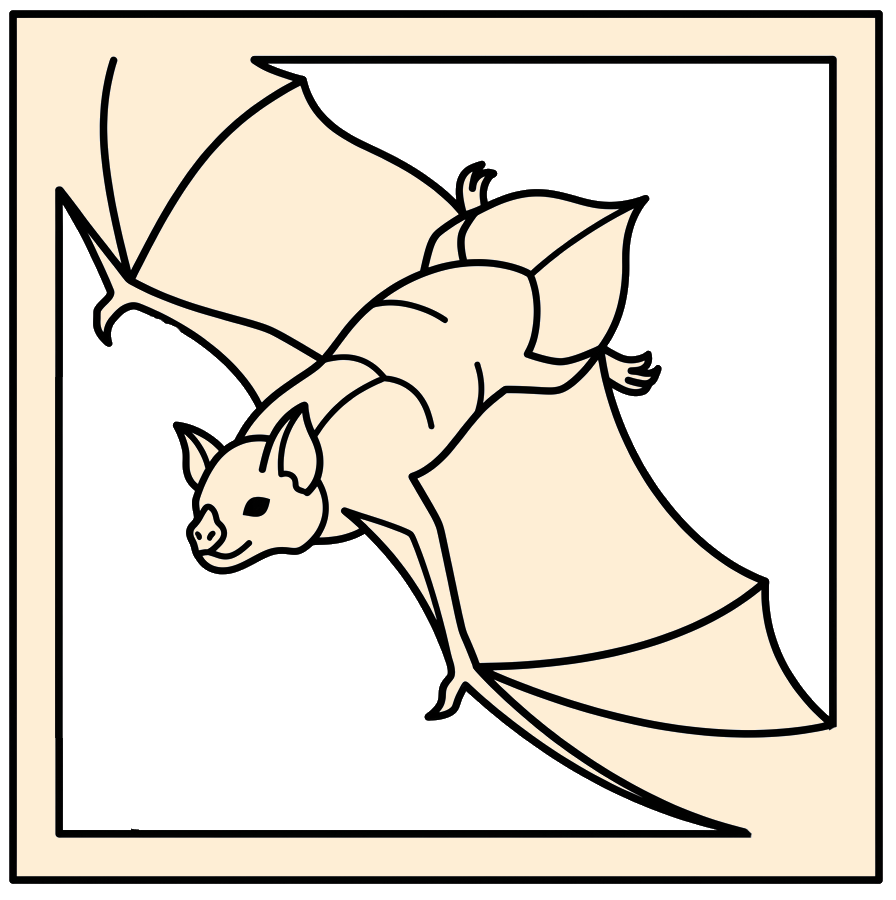
The bat is associated with rumea in Batu cosmogony through Akua, the bat herald of Vaal, the earth-goddess. The cave in which the bat Akua dwells is the womb of the world, symbolizing the germinating powers of mother earth. Akua is also a harbinger of rain, signaling the coming regeneration of plant life.
In divination, rumea signifies something being created and growing from the inside-out, rather than from an external assemblage of parts. Patience is required when working with the power of rumea, it is a slow and gradual process of becoming. It is commonly held that plant powers are not as powerful as animal powers, and when dealing with individual herbs this is often true. However, rumea represents the united and cumulative strength of plant power, whose silent consciousness is more than a match for animal powers.
As a talisman, or when bound to an amulet, rumea will encourage strength through yielding and instill hope for the future, drawing on the subtle yet vast reservoirs of the world’s oldest life force.
13.
14.
15.
16.







käsi / ka ́·sē /
Literally translated as laboring, käsi refers to the application of skills and their results in the material world, as well as the internal work required for social harmony. This fifth set of gylphs focuses on responsibilities and working for the collective good.
/ kh /
khu̇sudi / KHoo·so͞o ́dē /
Translated as purpose, khu̇sudi is the application of skills or knowledge to discover what it is one wants in order to lead a meaningful life with a motivated intention.
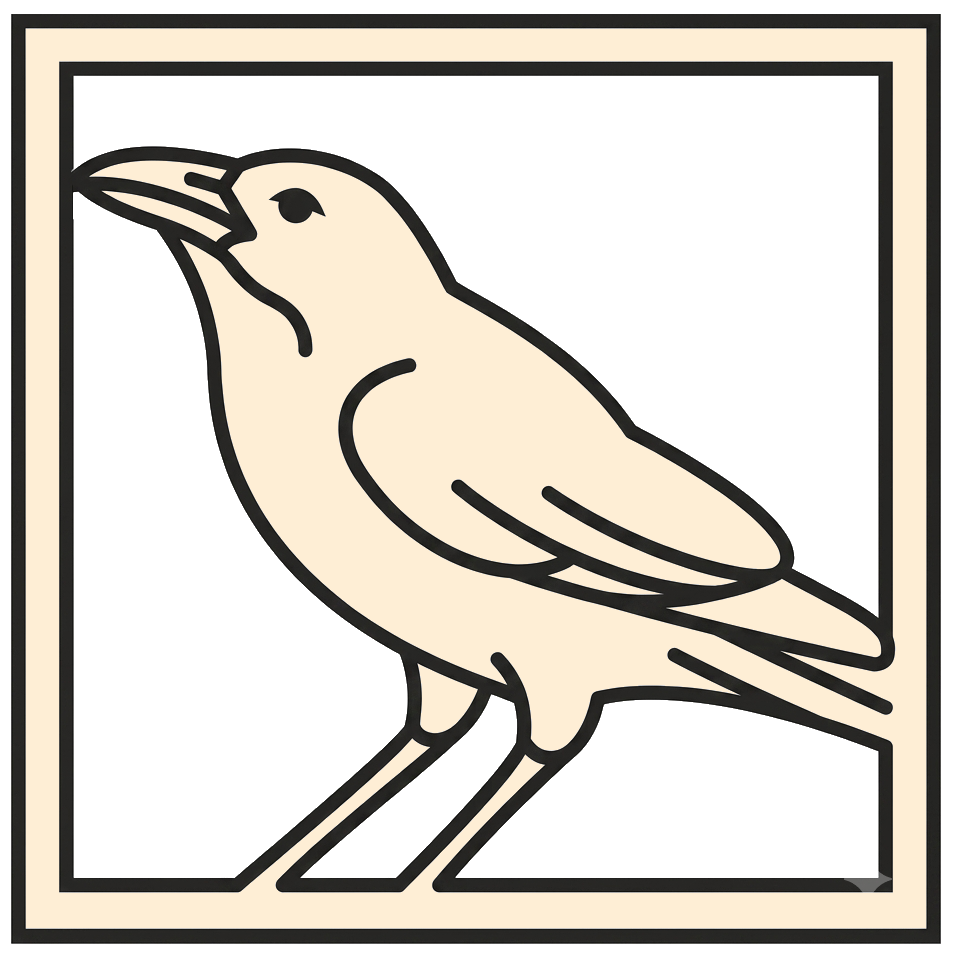
Ravens are associated to khu̇sudi due to the two raven heralds in Batu mythology, Faro and Jaro. Both being heralds of Fa and Ardra, Faro and Jaro are symbols of oracular vision and of learning one’s purpose. It is Faro who is sent out into the world to disperse the knowledge of divination so one may learn how to consult with Fa or Ardra while making important life decisions. It is Jaro who hears the diviner and delivers the seeds of inquiry to the appropriate goddess, returning to the diviner then the fruit of wisdom. It is a common motif that birds represent the ability to leave the bounds of one world for another, returning then at will. The twin pattern used with Faro and Jaro illustrates how siblings will divide up attributes and define themselves against one another to meet a purpose larger than them both.
In shamanism, khu̇sudi is most prominent during a boy’s rite of passage into manhood – his jawära ben-bella. Undergoing trials and revelations, the boy’s identity as a child is stripped away and he must give himself over to a higher end where his concerns are not primarily for himself. Ultimately, the initiation ritual of the jawära ben-bella reveals answers in much the same way as in divination. One receives only what one is ready for. The greater one’s pain, the greater the purpose, and the purpose pursued becomes a manifestation of one’s character.
As a talisman, or when bound to an amulet, khu̇sudi will inspire the bearer and help with breaking through barriers to clear a path toward one’s goal.
/ ng /
chipu̇nga / CHē·pooNG ́·gə /
Meaning potential, chipu̇nga is the principle of possibilities, the combined forces of energy and ability.
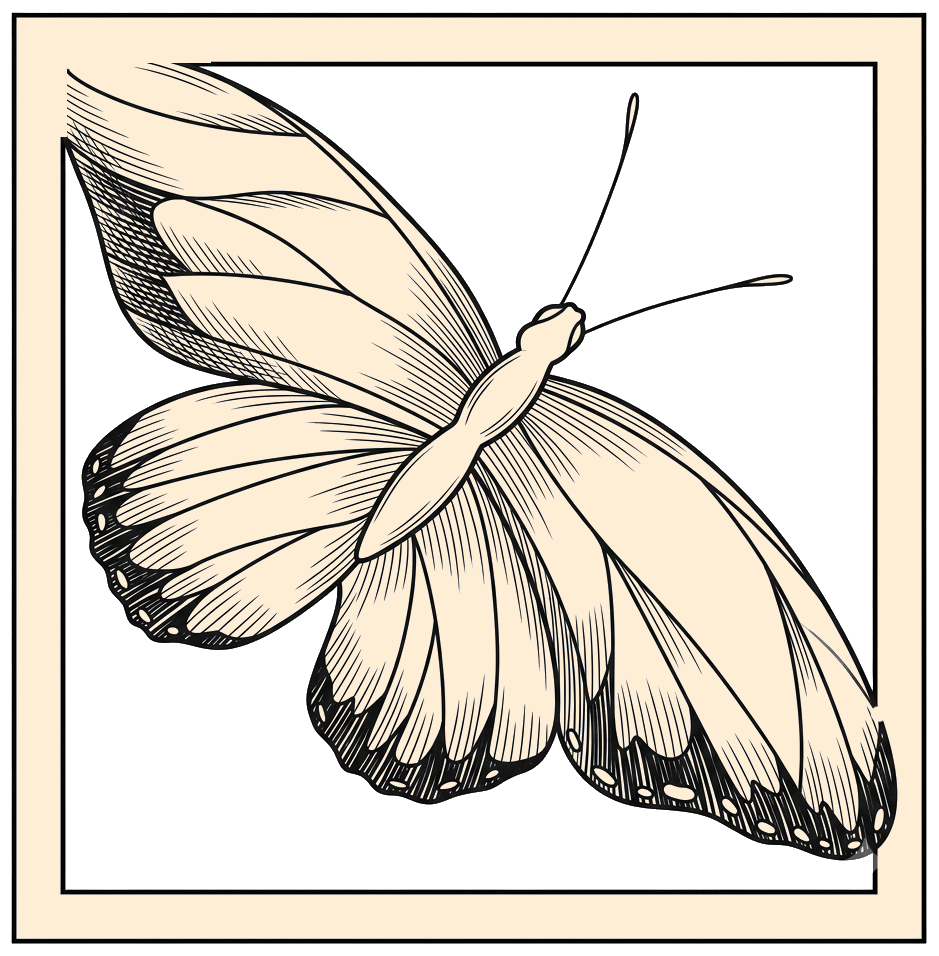
The butterfly is associated with chipu̇nga as a symbol of the resurrected soul, known in Batu spirituality as their kra. The kra butterfly is a feminine symbol due to its grace, lightness and beauty, but is also a creative emblem linked to its metamorphosis from chrysalis.
Within Batu cosmology, chipu̇nga is linked with the morning star, Shaba. Her name translating as morning has come, Shaba is the twin sister of her brother Lama, the evening star. Though Shaba and Lamal are in fact the same star that appears at either end of the day, they represent separate and well-defined principles based on Lamal dying in the west at night only to be reborn as Shaba in the east in the morning. Shaba’s association with chipu̇nga is base upon the fact that she is forever young, never aging as she follows her destiny. Shaba is a symbol of the day and an emblem of utopian existence in world not yet spoiled.
In divination, chipu̇nga signifies the fire within each person, the spiritual fire generating the spark of life. Fire naturally climbs upwards, to ascend like the butterfly swarms traveling the labyrinth of Alodia in the underworld in their attempt to find their way back to the light of day. Thus, the appearance of chipu̇nga in divination foreshadows the dawning of spiritual sublimation.
As a talisman, or when bound to an amulet, chipu̇nga will connect the bearer with their inner drive, bringing enthusiasm and intensity to their pursuits. It is also an aid in identifying talents and evaluating true talents.
/ g /
gukäsi / go͞o·kä ́·sē /
Meaning work, gukäsi is broadly viewed as the general principle of action, but more specifically refers to the combination of movement with a direction toward self-awareness.
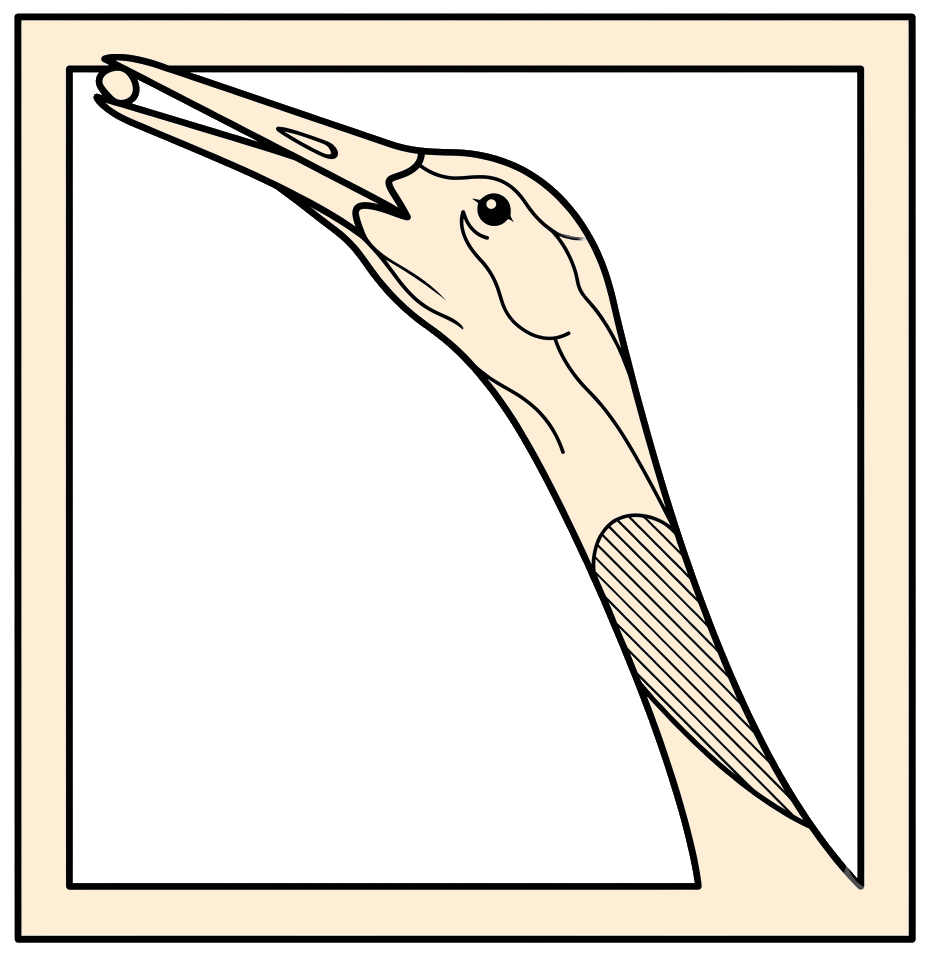
The crane is associated with gukäsi in Batu cosmogony as Jumba, the crane herald of Kutu. Jumba is the watcher of the entrance to the underworld, Alodia, and looks for the shadows of all those who approach the gateway. Only those with no shadow – the gods and the dead – may pass on through to Alodia, and if the crane spots your shadow, he signals the scorpion gate keepers with its warning cry.
Jumba’s knowledge of shadows is symbolic of self-knowledge, and the crane represents vigilance in this work because he alone is awake and keeping watch while the rest of his flock sleeps with their heads tucked under their wings. Jumba is often depicted holding a stone in his beak so that should he fall asleep the stone would fall and wake him up again.
In divination, gukäsi signifies a movement toward self-discovery and may suggest a coming change of direction in one’s life. The nature of this change will not manifest within a passive framework but requires initiative and fortitude to accomplish the work involved.
As a talisman, or when bound to an amulet, gukäsi will enhance the bearer’s wakefulness, providing clear vision and strength of mind.
/ k /
katokeo / kə·tō·kā ́·ō /
Translated as results, katokeo represents the principle of achievement and failure with an emphasis on being responsible for one’s actions, whether they be good or bad.
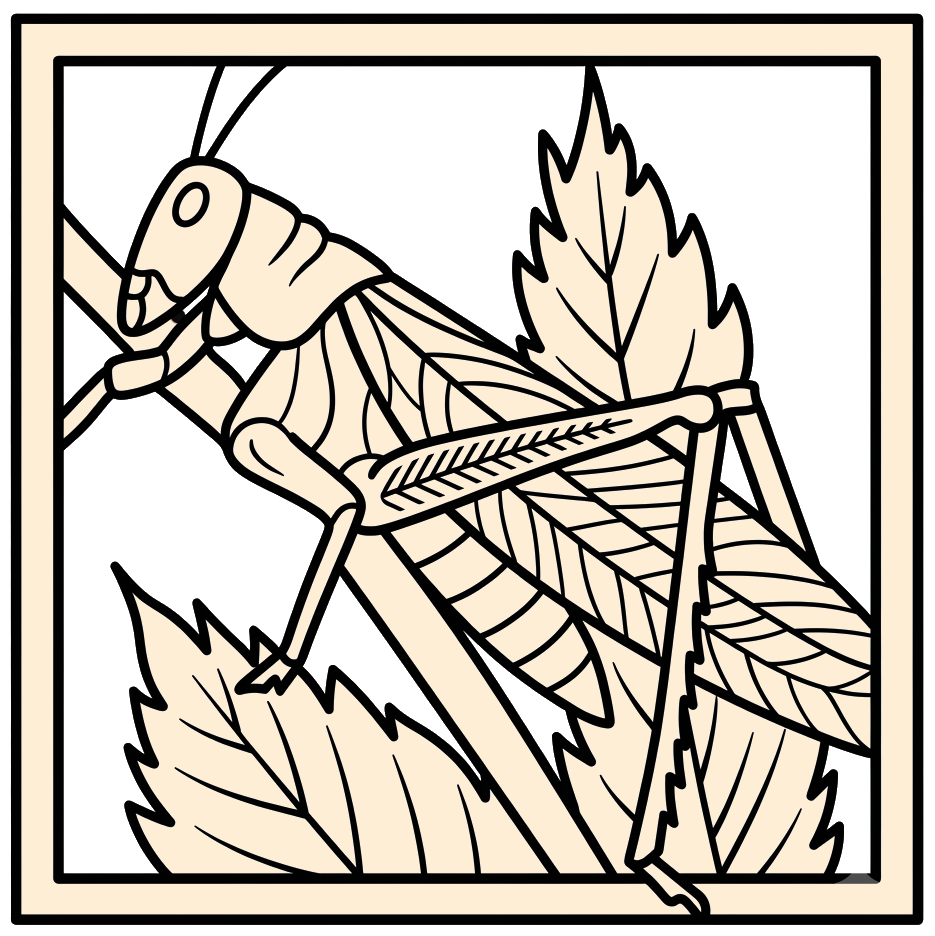
The principle of katokeo is represented in Batu cosmogony through Ngesh, a nature spirit in the form of a locust – though Ngesh is usually believed to exist as the collective embodiment of the entire locust swarm rather than individual locusts. Thus, katokeo is a principle invariably applied to the accumulative results of more than one person – usually to an entire village or to the tribe as a whole.
In divination, katokeo signifies a warning that one’s impending success in the short run may lead to an ultimate failure in the long run. This is clearly illustrated by Ngesh through the carless lack of foresight in the locust swarm when it devours everything in sight, depleting all its resources and leaving nothing for the future.
As a talisman, or when bound to an amulet, katokeo will help minimize the costs of success by keeping people mindful of consequences beyond their immediate concerns.
17.
18.
19.
20.






shirrika / SHi·rē ́·kə /
Meaning relating, shirrika is the sixth set of Kanar glyphs, dealing this time with the work involved in relationships. Though shirrika is often used to focus on the building and maintenance of relationships, it actually encompasses a much larger view of inter-personal relations, which includes letting go and rebuilding.
/ j /
ju̇nga / jo͞oNG ́·gə /
Meaning joining, ju̇nga represents marriage and the uniting of opposites, with an emphasis toward respect for the opposite sex.
The cola nut is associated with ju̇nga due to its bitter taste, which reflects the various trials of relationships, and is thus viewed as a symbol of friendship and faithfulness. In marriage ceremonies the woman offers the man a cola nut and his ritual acceptance of the nut confirms their agreement to live together as husband and wife.
The principle of ju̇nga is linked within Batu cosmogony to Pama, the herald of the sky god, Wutan. Pama is depicted in Batu iconography as a common swift – a bird in a state of perpetual flight, never landing except to nest. The swift eats, drinks, sleeps, and mates in the air. As such, Pama is a symbol of permanence and devotion, giving its entire life to its heart’s desire – flight. The swift also symbolizes the union of opposites, being a creature of matter yet integrating permanently within the aerial world of the spirit.
In divination, ju̇nga signifies the need to integrate opposites, typically through marriage. It is an aspect of Batu cosmogony that mankind was originally androgynous, and the ritual of marriage is merely a method of regaining the wholeness mankind lost when split into male and female. Individuals are thus drawn to those who compensate for what they lack, and if they don’t develop it, they’ll marry it. The danger in this being that they risk not developing and reconciling those things for themselves.
As a talisman, or when bound to an amulet, ju̇nga will aid the bearer in successfully balancing the tension of opposites, resulting in an authentic self-acceptance with compassion for others.
/ ch /
chukäta / CHo͞o·kä ́·tə /
Translated as separating, chukäta represents the transience of relationships due to death or the failure to reconcile differences.
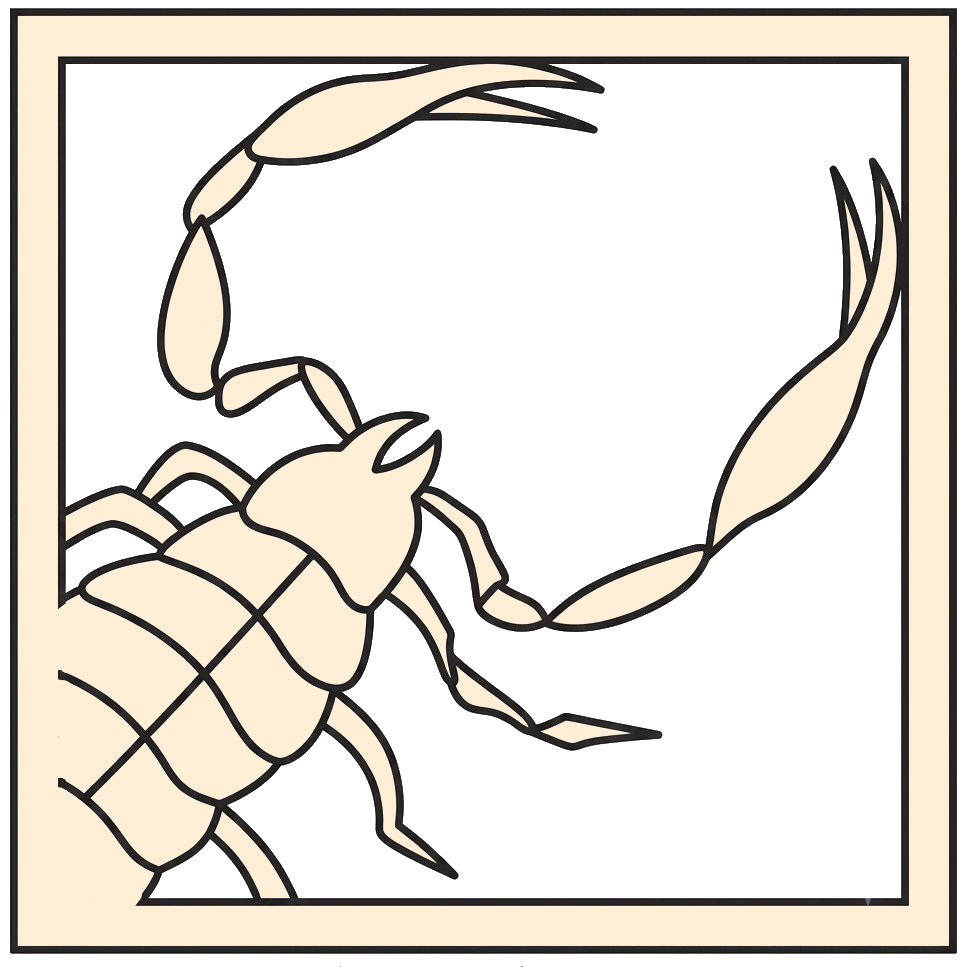
The scorpion is associated with chukäta in mythology through Thabo, one of the twin gatekeeper manifestations of Kutu. Like his twin brother, Sotho, Thabo is described as half-man, half-scorpion, with his tail ending in a poison-sac feeding a sting which I permanently unsheathed and ready to strike. Thabo thus represents those who are forever ready to strike at the least provocation, with an inability to lower their guard to achieve reconciliation. Of the twin brothers, Thabo is the material aspect more closely linked with the world of Mara, dealing out destruction through retribution. Thabo’s association with chukäta is most commonly viewed in the give and take of relationships by his ability to both wound and heal, since the scorpion’s secretions as a medicinal oil works against its own sting.
In the Imaad tradition of Batu spirituality, chukäta also signifies a natural phase for the herbalist when attempting to integrate opposing elements in her confections – a particular point, known as melanosis, when everything in her mortar turns black.
In divination, chukäta usually represents the conflict between our need for likeness and our desire for difference. It indicates a tendency to both idealize and loathe the same thing in our friends and relations.
As a talisman, or when bound to an amulet, chukäta will help the bearer ease hostility in relations and foster compassion, minimizing the ongoing battle between likes and dislikes.
/ zh /
zhuwinnda / zho͞o·win ́·də /
Meaning pursuing, zhuwinnda is the yearning and chase for sublimation beyond the conflicts of one’s worldly desires.
Within Batu cosmology, zhuwinnda is linked to Lamal, the evening star – twin brother to his sister, Shaba, the morning star. Lamal is born during that transitional period between the world of day and the world of night, a time which fosters melancholy and a longing for the past. The similarity of the evening star’s transit with that of the setting sun provides a clear illustration of the principle of zhuwinnda as Lamal chases after his father, the sun god, Jumara, into the west. The evening star is often linked with the beginning of epic journeys as the hero heads off into the sunset and into the future. Lamal thus stands for hope, that beyond the night will be a new dawn.
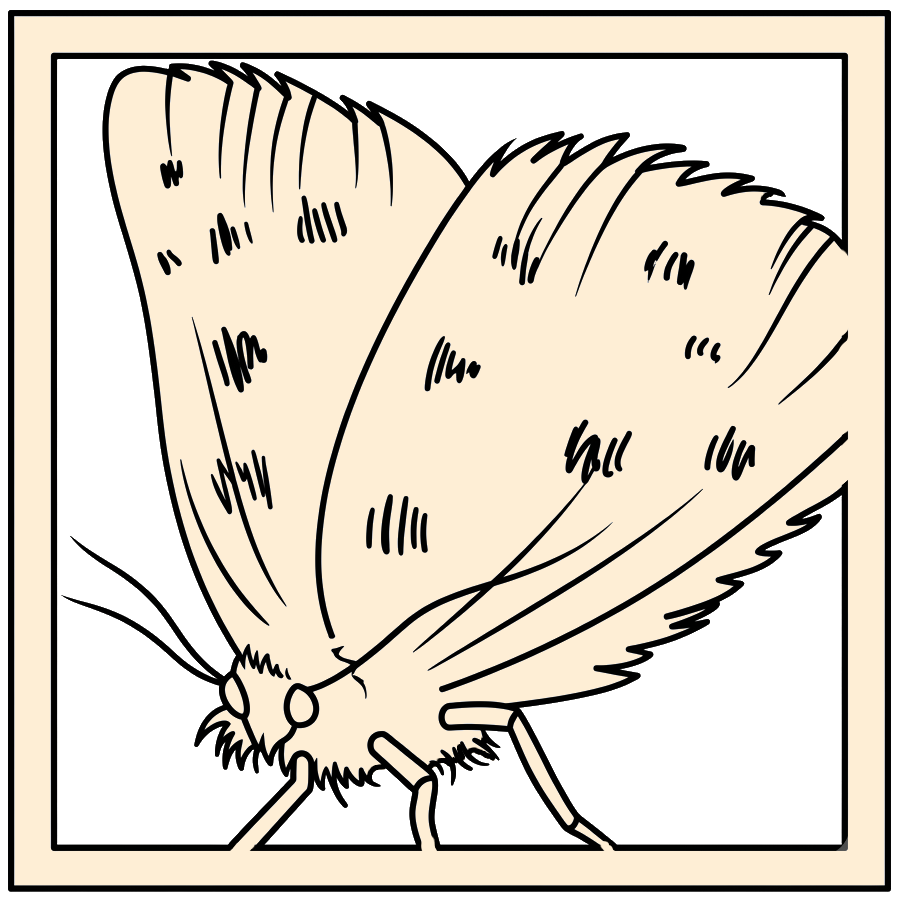
The moth is the symbol for zhuwinnda, representing man’s desire for wings int the darkness of mere being, and the sublimation of the soul beyond the conflicts of the material world. Unable to resolve the interpersonal tensions among the society of men, one may at times seek escape through flight toward the divine. Yet zhuwinnda carries a warning as well. For as the moth will flutter round the flame until it burns its wings, so too may man be consumed by mystical love as he rushes off to his doom.
In divination, zhuwinnda is a sign of imbalance and serves as a warning that flight from conflict may carry its own destruction. It is also a reminder that the necessary integration of one’s opposites does not in any way involve a triumph of one side over the other, but rather a reconciliation.
As a talisman, or when bound to an amulet, zhuwinnda will aid in remaining connected to the people around you and the needs of the world while pursuing those of the spirit.
/ sh /
shujima / SHo͞o·jē ́·mə /
Translated as cooperating, shujima is more specifically viewed as being the successful integration of opposites by cooperating to their mutual advantage.
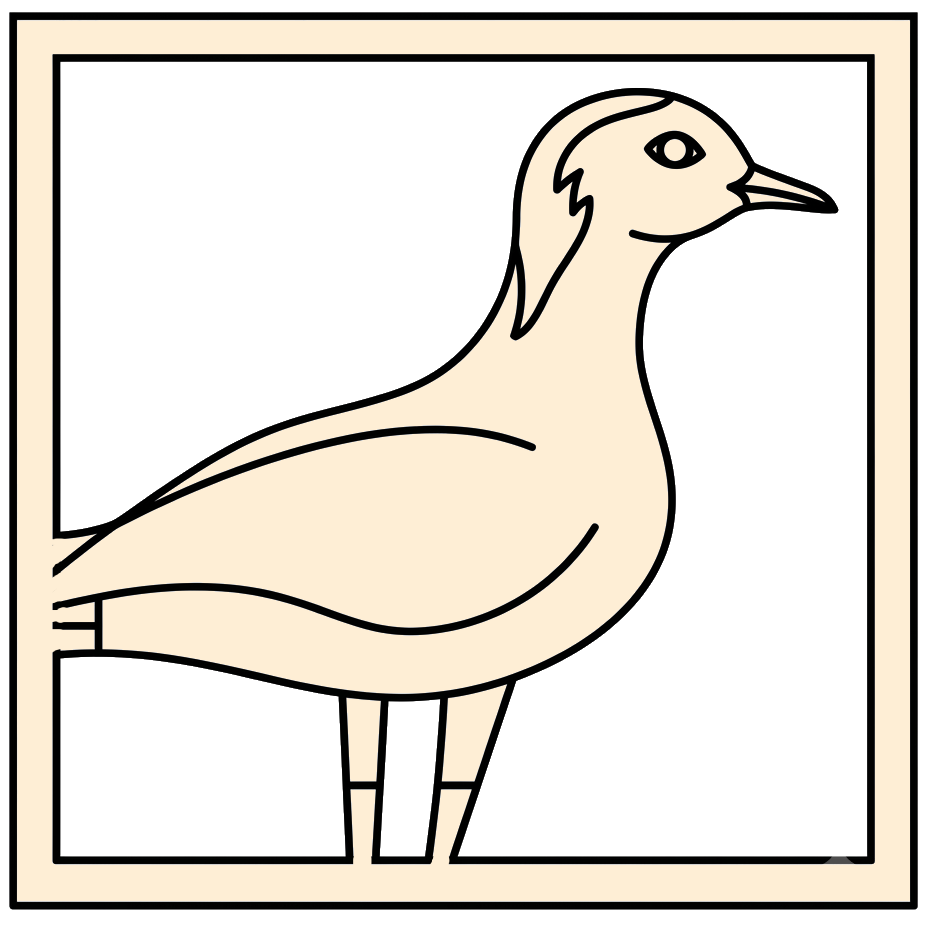
The plover is associated with shujima in Batu cosmogony, as Daba, the bird herald of the water goddess, Moji. Daba means rain bird, a name given to the plover since the herald is known to cry out before each rain. But it is through Moji’s manifestation as Ombure, the lord of the crocodiles, that the plover is linked to shujima. The giant crocodile and the small shorebird have worked out a relationship that is profitable to them both as Daba picks bits of meat lodged between Ombure’s teeth. Daba also serves as sentinel for Ombure while the lord of the crocodiles basks in the warm sun – alerting the crocodile with its call, or by pecking on the dozing crocodile’s head with its short, stout beak when danger is present.
In divination, shujima prefigures the actualization and fulfillment of the ideal relationship. It indicates a profound maturity and mastery of one’s reflexive desires, as seen with the crocodile whose hunger is like the night that devours all, yet still refrains from devouring the plover. Fari exchange is the essence of shujima.
As a talisman, or when bound to an amulet, shujima will provide strength and discipline to maintain the cohesive bonds of friendship through communication skills and cooperation.
21.
22.
23.
24.






tuona / to͞o·ō ́·nə /
Translated as perceiving, tuona is the principle in this seventh set of glyphs where four senses are linked to shamanism, divination, and magic within both the Imaad and Imaan spiritual traditions.
/ s /
semmera / se·mār ́·ə /
Meaning looking, semmera represents the inner search one makes when tapping into the totemic properties of their power animal by the village shaman.
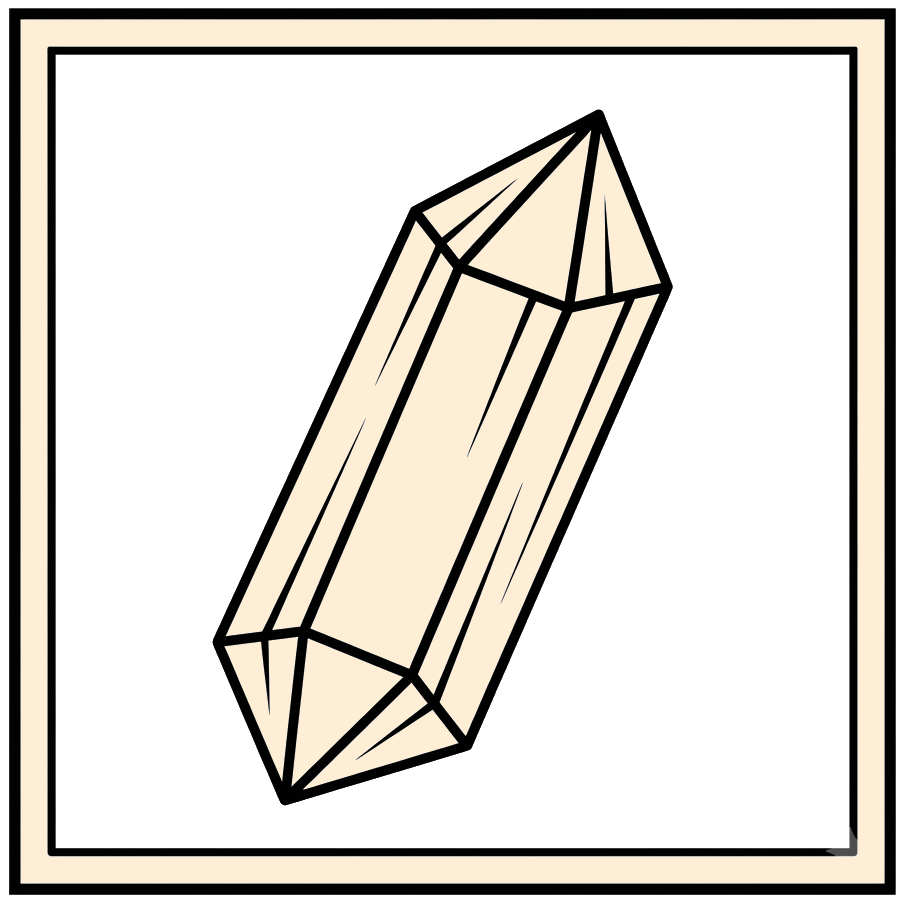
The quartz crystal is associated with semmera by the crystal’s indispensable value for the shaman in channeling his powers during a vision quest. Known as the living rock, the quartz crystal’s material and spiritual natures are identical thus appearing the same regardless of the shaman’s state of consciousness. Quartz is believed to be solidified light that transcends all four realms of the Batu cosmology as a spiritual focal point, or bridge.
In Batu cosmogony, it is Ba, the god of magic and shamanism, who is associated with semmera. The quartz crystal is Ba’s power object, and it is from him that men perceive their call to shamanism. Ba is the god of transmutation, transforming shamans into animals to aid them as they look for their answers within other realms. He is also the gateway to all animal powers for boys undergoing their rite of passage into manhood where they perceive their power animal for the first time. Without their power animal, no spiritual journey may be possible.
In divination, semmera signifies looking for a way to integrate one’s human qualities with the power animal to establish a relationship with it. At the end of this path one is no longer a mere animal, having made both human and animal aspects conscious through integration.
As a talisman, or when bound to an amulet, semmera aids one’s search by enhancing their affinity with their power animal, strengthening the bond that will guide them through their quest.
/ z /
zoni / zō ́·nē /
Literally translated as seeing, zoni in this context is better defined as finding. Zoni is the inner vision that sees beyond masks and surface appearances to perceive the true essence of things and events
The hori crystal is associated with zoni within Batu cosmogony through Fa, the humanoid goddess of divination. Though Fa is herself externally blind, her oracular powers as a seer ultimately stems from an inner vision as zoni is focused and channeled through her hori crystal that she holds to her empty sockets. The hori crystal is a gem with 16 facets, each offering her a different view into the past, future, and present.
Within Batu cosmogony, it was Fa who sent her two raven heralds, Faro and Jaro, out into the world to instruct the chosen ones how to channel zoni through divination. That way, if they use their divination seeds properly through ritual, diviners will be able to consult with Fa, who will utilize zoni to pass on to mankind the proper modes of conduct.
In divination, the zoni glyph indicates the need for the diviner to consult with Fa directly. This is achieved by casting the seeds of divination, small black seeds obtained from the fruit of the baobab tree. The number of seeds indicates to Fa how many facets of the hori crystal she must utilize to see what is being sought. The goddess then aligns the seeds in a pattern the diviner can interpret.
As a talisman, or when bound to an amulet, zoni will help the bearer access his or her inner vision and allow them to perceive beyond the surface mysteries of everyday life. Amulets of this type are made of jade.
/ l /
lusikia / lo͞o·sē·kē ́·ə /
Translated as hearing, lusikia is the art of listening well, based on extreme patience and quite observation. Lusikia is intimately linked with the Imaad tradition in Batu spirituality, relying as it does on investigation rather than revelation.
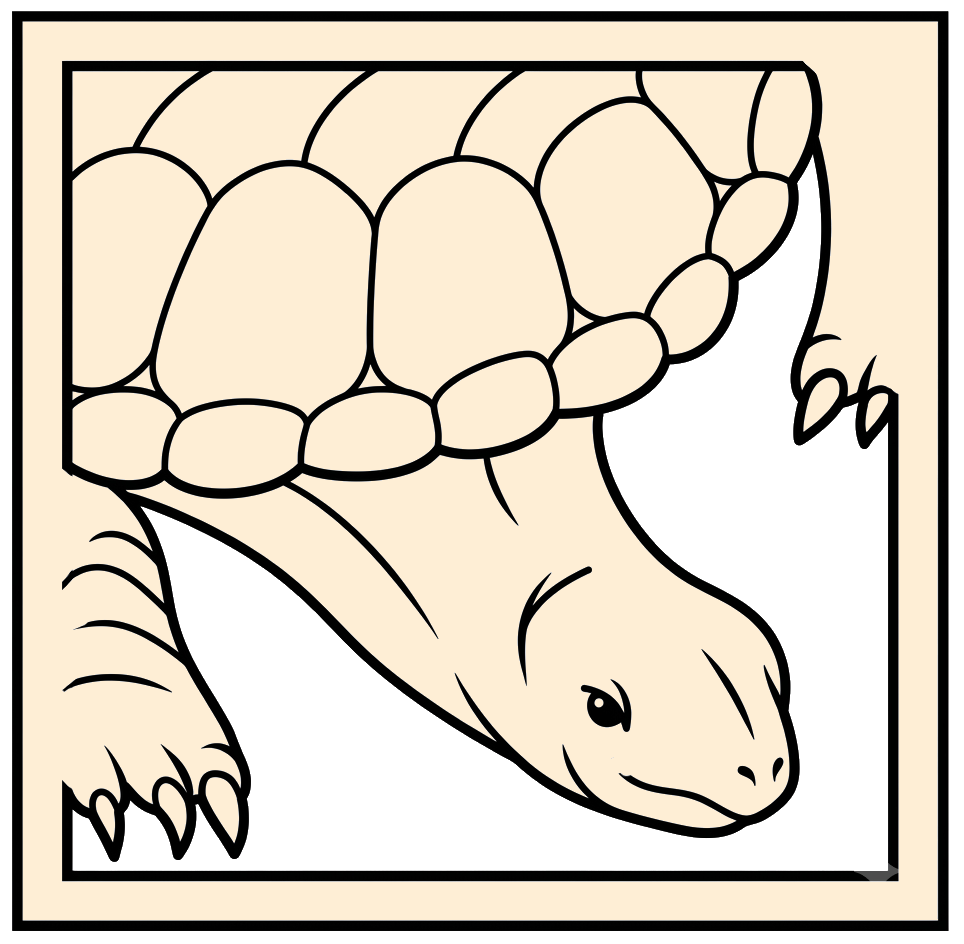
Lusikia is associated with the tortoise in Batu cosmogony through Kamba, the tortoise god of magic. It was Kamba who first gathered and learned all the lore of magic as he slowly crawled across the entire world of Mara. The tortoise magician was ageless and took his time, listening carefully to every object and every creature he encountered as he learned their true essence and heard all their secrets. It was the principle of lusikia, which endowed Kamba with patience and the ability to listen as he traveled the four corners of the world, that allowed him to learn and pass on to mankind the mysteries of magic.
Being linked to the Imaad tradition, lusikia is a principle applied more often in magic than in divination. Magic is like a science in that the rules of cause and effect are a rigid aspect of nature that is not influenced by the gods. Magic may coercer or constrain natural phenomenon through ritual, but it does not rely on placating the gods for guidance or divine intervention as in divination. Magic was learned by the tortoise Kamba by listening to the world around him rather than from intuition.
Since magic is a material-based discipline – manipulating real objects through symbolic representations – and the material element I more influential than the spell, it is much easier to pass on to those who will listen and is more widely utilized by non-specialists than is divination.
As a talisman, or when bound to an amulet, lusikia promotes in the bearer patience and internal quiet to better hear what the world has to teach.
/ n /
näono / nä·ō ́·nō /
Literally translated as feeling, näono more specifically refers to the feeling a hunter perceives while following the spoor of his prey. But näono is also referred to in divination where the priestess perceives the spoor of people’s lives and gets a feel for their course as they pursue their destiny.
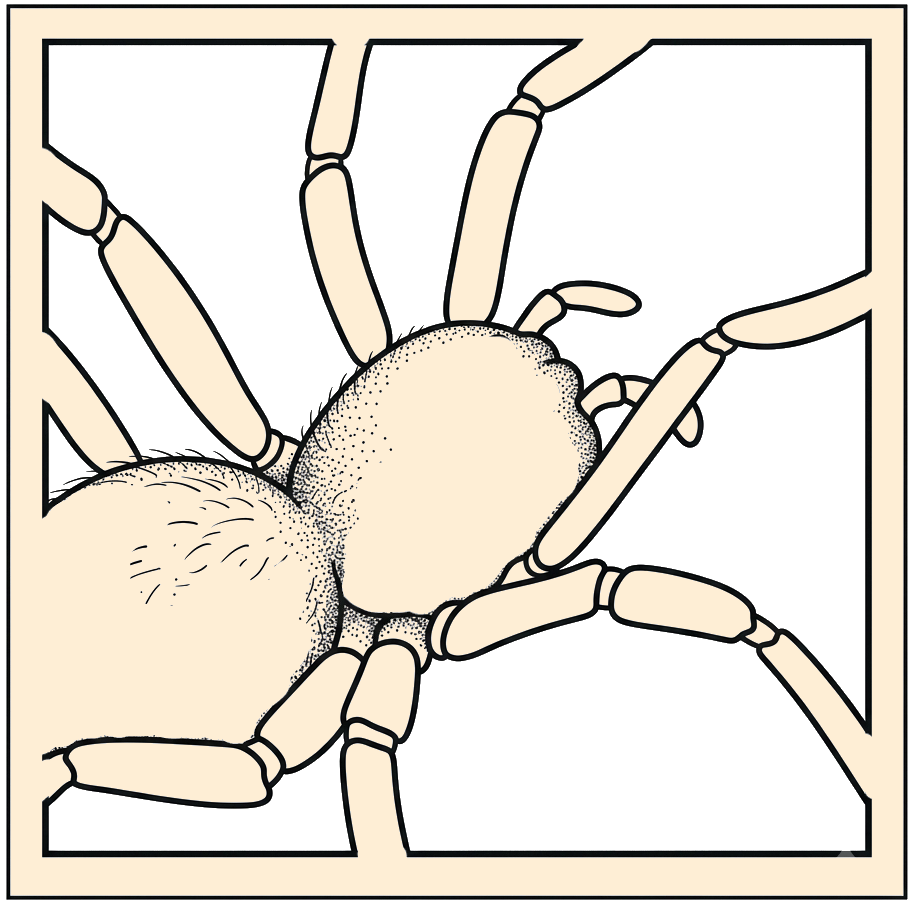
In Batu cosmogony, it is Ardra – Queen of the underworld and spider manifestation of Fa – who is responsible for the weaving of näono in divination. Her nest is the seat of intuition, built high up within the obämti tree, from where she can see far and wide across the four realms of existence. Ardra is the weaver of destiny, as well as the spider goddess of divination. Each thread of Ardra’s web is forever linked with every living thing. From the center of her web, Ardra can feel the vibrations of every silk thread connecting her to all things near and far. The design of her lines will vary depending upon who she has fashioned them for, but their design is never as random as they appear to be. Ardra weaves with a precision that is not always apparent to those untrained in the arts of divination.
When the glyph for näono appears within divination it is indicating the need for feeling one’s way – shutting off all external senses and tuning in to one’s intuition.
As a talisman, or when bound to an amulet, näono will aid the bearer in both the perceiving and the interpretation of signs.
25.
26.
27.
28.





tu̇jua / too·jo͞o ́·ə /
Translated as knowing, tu̇jua is the eighth-set principle that lays out the conditions of knowledge. The four glyphs pf tu̇jua illustrates the appetite for knowledge; the consequences of knowledge; the path toward knowledge; and the boundaries of knowledge.
/ d /
dalika / də·lē ́·kə /
Literally meaning devouring, dalika generally refers to the hunger for knowledge and the all-consuming appetites of the mind. But dalika may also be more specific, referring to the yearning for special, hidden knowledge not easily accessible to the uninitiated.
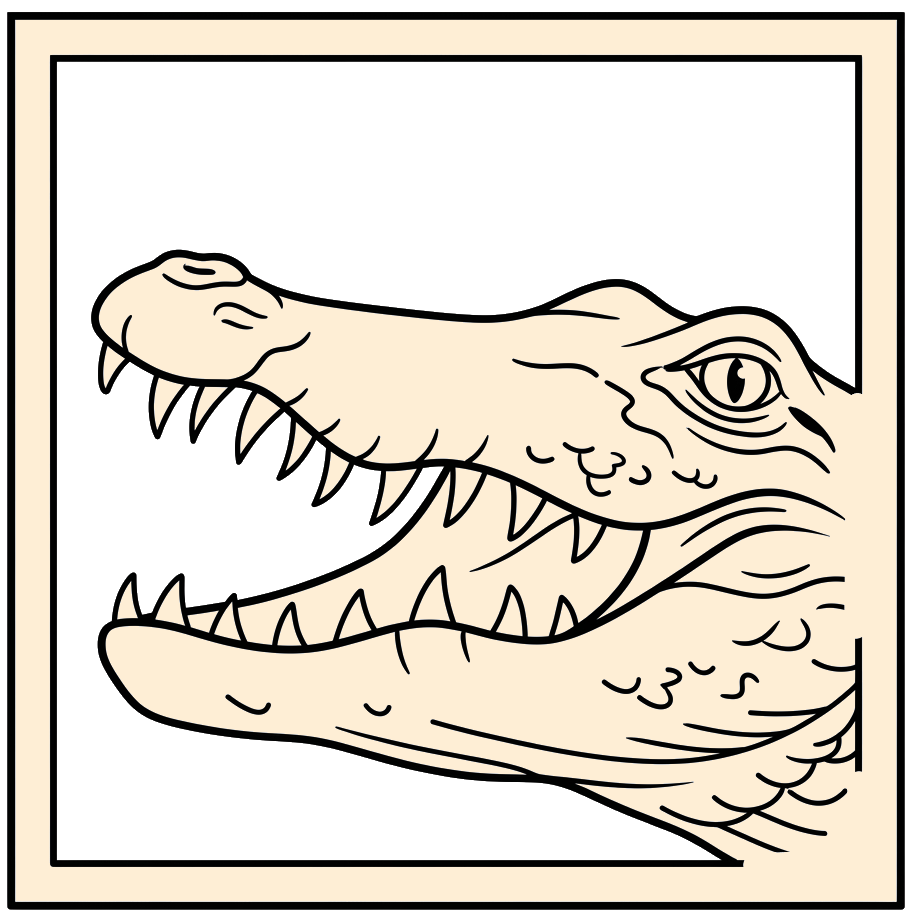
In Batu cosmogony, it is Ombure – the Lord of the Crocodiles – who symbolizes dalika, chiefly due to his role as the ferryman for the dead in the underworld, Alodia. He is the Lord of Mysteries, keeper of all knowledge concerning life and death. It is also Ombure who separates and judges the just from the unjust by balancing the hearts of the dead on his tongue and devouring those that are weighed down by sin.
The crocodile is linked with dalika in divination as well, its lower jaw remaining within the mud of the world while its upper jaw is raised in elevation, attempting to reach and devour the ineffable. It is said that the crocodile’s greed and hunger is like the night that devours all, including father sun. For this reason, his entrails are viewed as a seat of intuition, and diviners may examine them when attempting to speak with the dead.
As a talisman, or when bound to an amulet, dalika will instill in the bearer a zest for learning and intellectual acquisition.
/ t /
tukumua / to͞o·ko͞o ́·mo͞o·ə /
Though commonly defined as struggling, and is more often referenced in that broad sense, the literal translation of tukumua is one who struggles with truth, which is the intended meaning within the framework of divination.
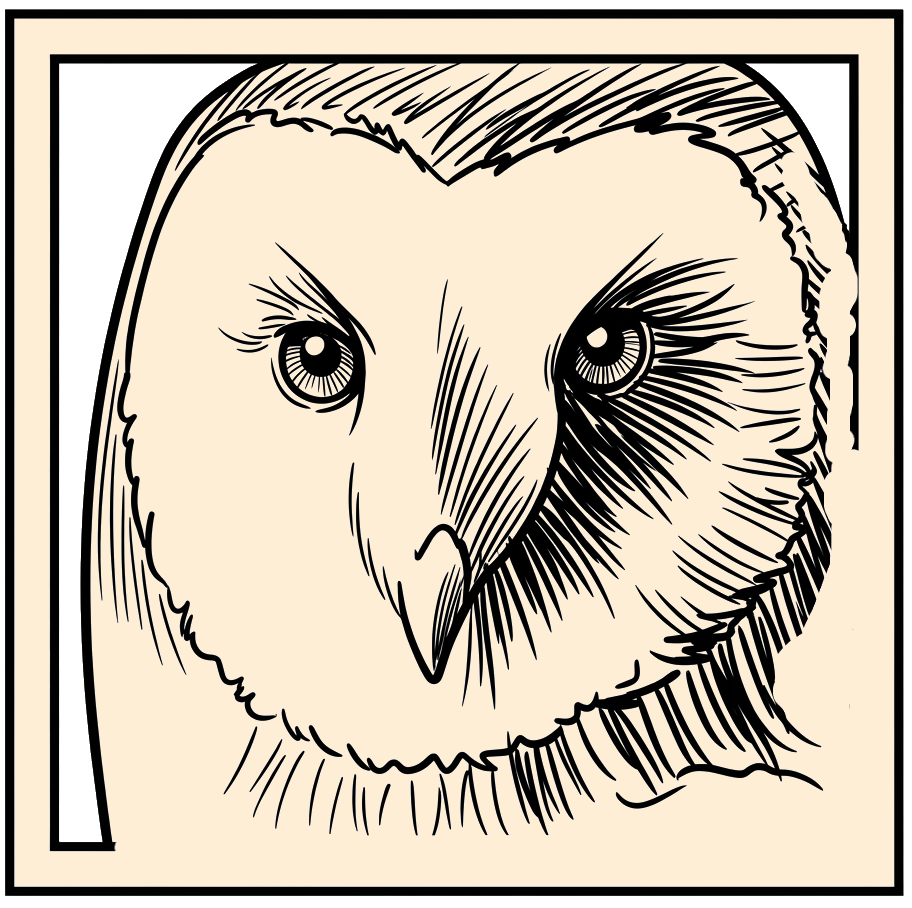
The owl relates to tukumua in Batu mythology through Nok, the owl manifestation of Damara. Unable to bear sunlight, Nok is a creature of darkness and moonlight – one of the ancient things of the world, associated with sounds of the night, shifting shadows and dreams. The owl is most noted for its ability to see through darkness, so is commonly held as a symbol of intuition and introspection. Nok’s powerful inward vision, however, is solely derived from reflective thought – as from the reflective light of the moon – rather than from the empirical observations of daylight. This places tukumua firmly within the Imaan tradition of Batu spirituality, which deals exclusively with conceptual or rational thought rather than direct knowledge.
Divination is the primary system used within the Imaan tradition when struggling for the truth and is the passive female principle involved in the reading of signs and listening to one’s intuition. Divination is thus strongly linked with tukumua and Nok’s eye of spiritual knowledge, enabling practitioners to see through the shadows of everyday life. The significance of tukumua glyph for a diviner, however, merely indicates a need for creative thought.
As a talisman, or when bound to an amulet, tukumua will sharpen the intellect and help convert knowledge into understanding.
/ / /
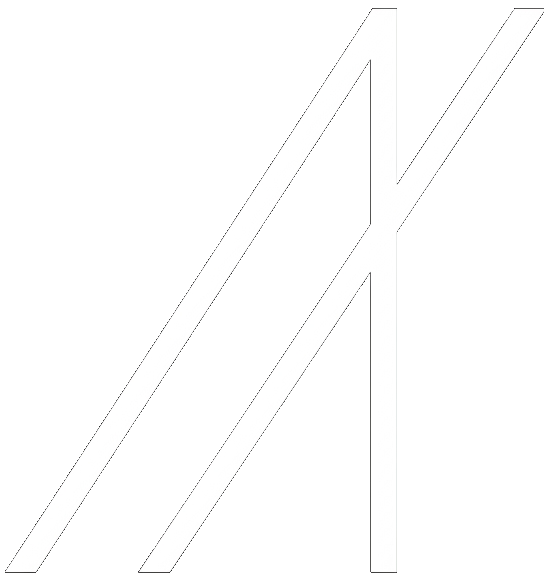
tu̇/gozi / dental click /
Translated as guiding, tu̇/gozi more generally refers to those attributes which are necessary to keep people on track in their pursuit of knowledge; specifically: courage, perseverance, and honor. But there is a more subtle aspect of tu̇/gozi that deals with codes of conduct within one’s search to maintain law and order. Tu̇/gozi is linked to the Imaad tradition of Batu spirituality, which deals with the material aspects, as well as ethics and linguistics.
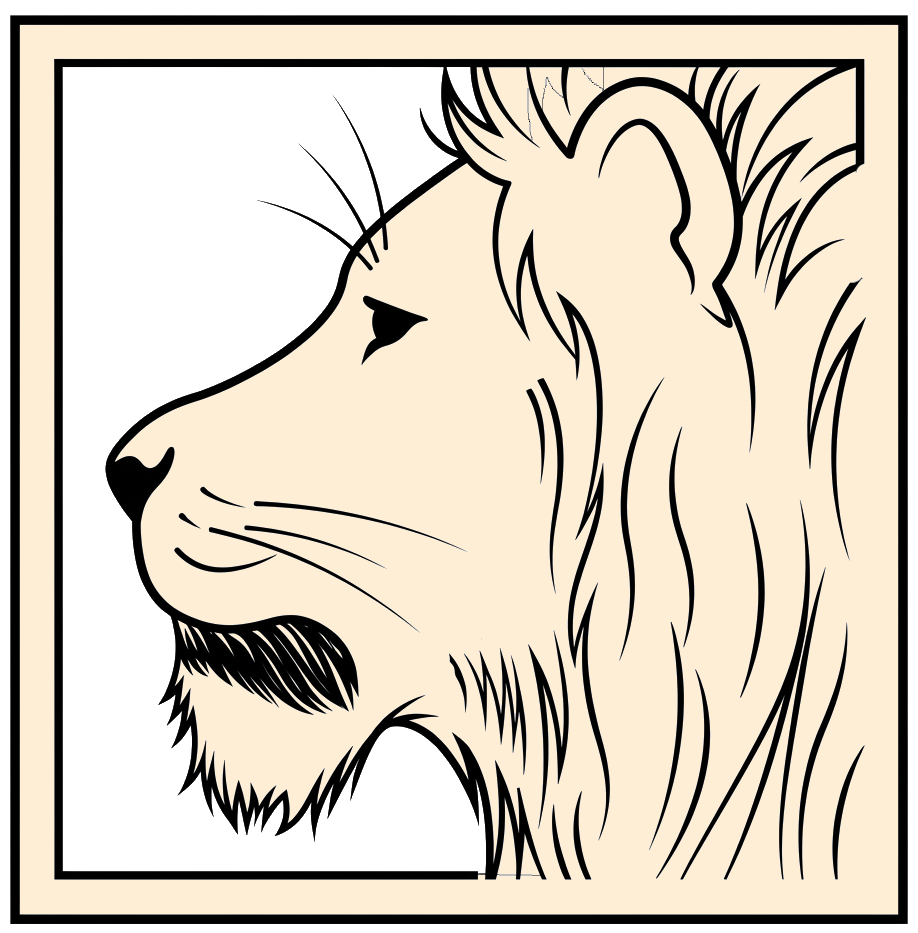
Within Batu mythology, it is Amadou – the lion manifestation of the solar deity, Jumara – who is the primary symbol of tu̇/gozi. Amadou is the lion guide who leads the dead through the labyrinth of Alodia in the underworld. He is the divine solar power that radiates light from his golden mane, and it is from this light that all illusions vanish, revealing the truth about us and the world. The lion is a symbol of strength, courage, and ferocity upon the path of spiritual rebirth, as he is reborn each morning as the rising sun. Like fire, he leads the way upward from the depths tot the heights. Amadou’s main weakness, however, is his pride, where he can be blinded by his own light, making him as intolerable as he is admirable.
Within shamanism a shaman may wear the lion’s skin during his vision quests as a symbol of his ability to pass through death as Amadou does himself within Alodia. Tu̇/gozi is a primary principle for a shaman as he travels between the four realms of existence within his vision quests.
Within divination tu̇/gozi represents the fire that shines within each one of us to guide us in our daily lives; representing the light of knowledge as a spring of energy.
As a talisman, or when bound to an amulet, the principle of tu̇/gozi is usually seen within amber. The word for amber in Kanar literally translates as lion soul and serves as a reminder that fire was found first within us before it was ever stolen from the gods.
/ // /
im//päka / lateral click /
Translated as limiting, im//päka is a spiritual boundary, beyond which few have ever passed. Im//päka is the threshold that separates typical human perceptions from those of the highest states of consciousness.
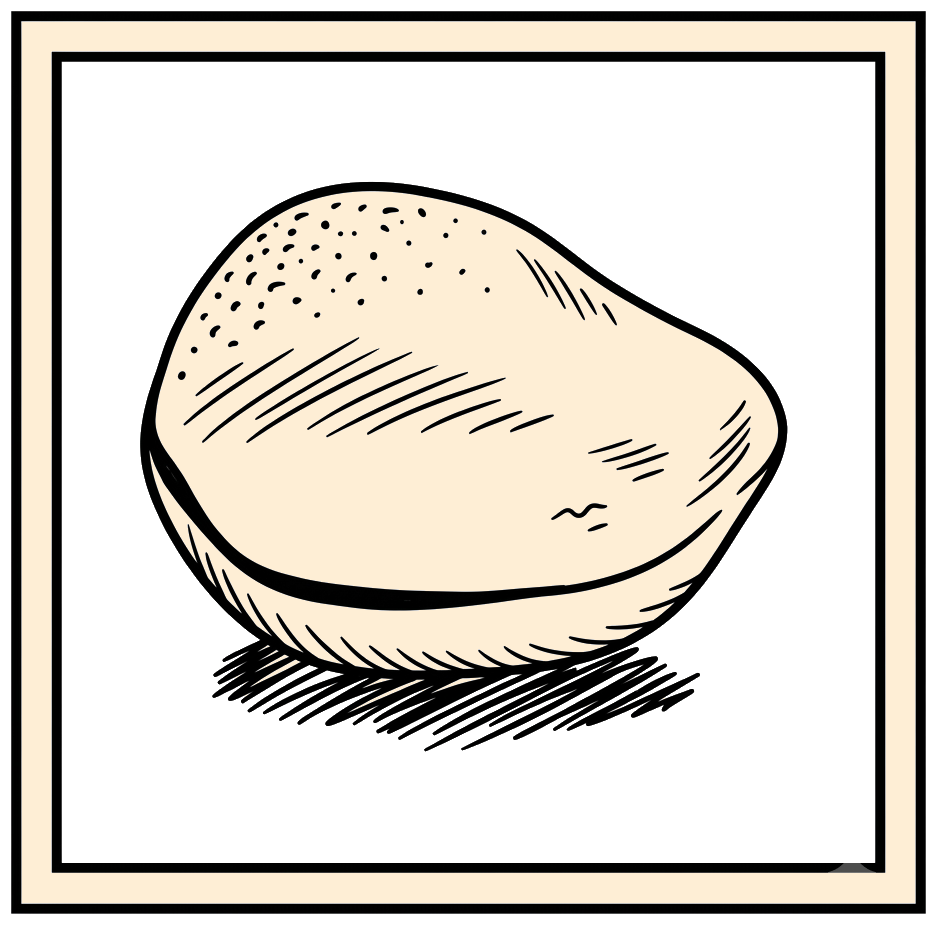
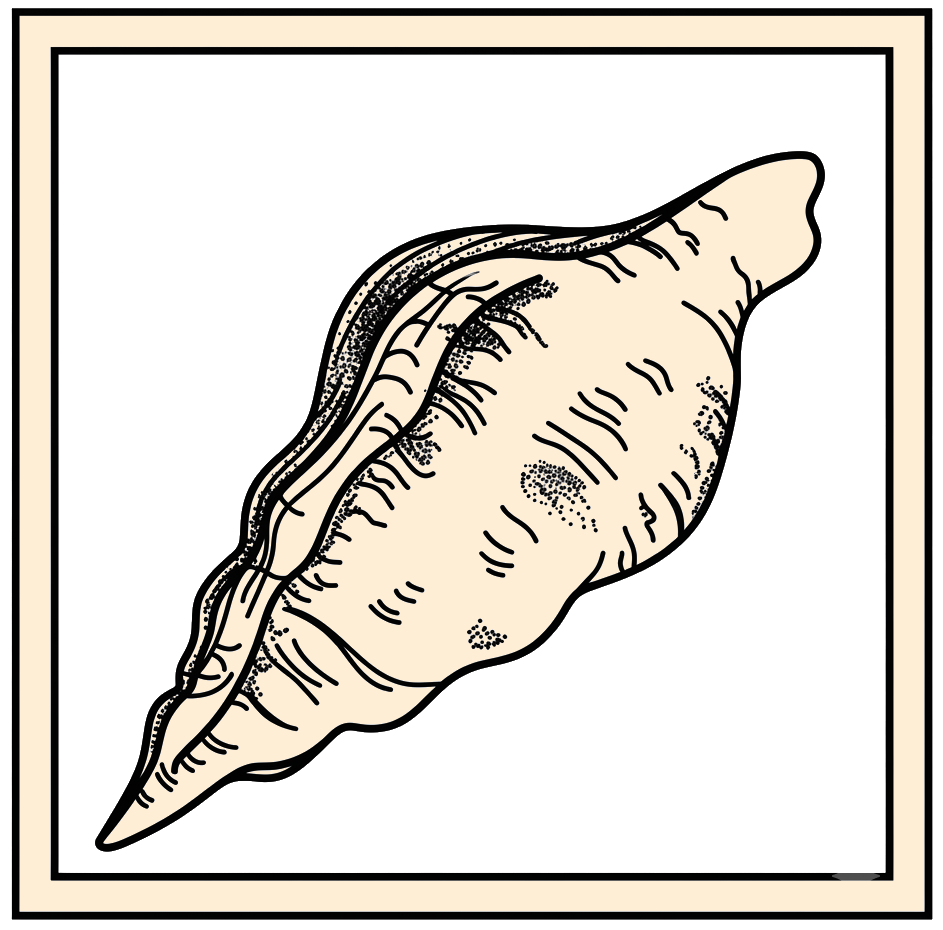
The conch is a symbol for im//päka in Batu mythology, linked with Kutu – the humanoid personification of the twin gatekeepers, Sotho and Thabo. Kutu is the warden of forbidden thresholds, standing guard on the brink of mysteries denied to most living men. He is known as The Hidden God, since like the scorpion he’s affiliated with, he recedes from the light of day and remains concealed in darkness where the thresholds to the mysteries exist – such as the gateway to the underworld, and the dark celestial river of Umi in the night sky. Kutu is the god of tests, to whom one must prove one’s capacities and worth before passing through the many gateways he guards. Upon satisfying his tests, Kutu blows upon his great conch horn – known as the im//päka conch – that can be heard across the world, announcing the birth of a great spirit. The spiral shape of the im//päka conch symbolizes the winding circular nature of the spiritual journey one must undergo before their breath can be transformed into pure music.
In divination, im//päka foreshadows the approaching of a seemingly insurmountable obstacle and the protective forces geared toward attack and defense.
As a talisman, or when bound to an amulet, im//päka will reveal one’s vulnerabilities to help prepare for spiritual trials.
29.
30.
31.
32.






kushinnda / ko͞o·shin ́·də /
Translated as surpassing, the theme of kushinnda spanning this ninth set demonstrates how the principle of transcendence can apply to all four realms of existence.
/ TH /
thu̇nyota / THo͞on·yō ́·tə /
Literally meaning celestial, thu̇nyota represents the highest state of existence within Batu cosmology. thu̇nyota is at the pinnacle of creation where the river Umi can be seen flowing through the night sky as a bridge to the source of creation, That Which Has No Name.
However, it is the Scorpius constellation that is the primary link with thu̇nyota within Batu mythology, representing the scorpion god and gateway guardian, Sotho. Unlike his twin brother, Thabo, who is of the Imaad tradition, Sotho represents the ethereal aspects of the twin gatekeepers and is thus firmly tied to the Imaan tradition of Batu spirituality. Sotho can be seen within four varying quadrants in the night sky of the southern hemisphere. He’s forever vigilant with his tail dipping into the river Umi as he stands guard over the celestial bridge. The brightest star in this constellation is where Sotho’s heart would be, bearing a reddish tint, while the second brightest marks the tip of his tail dipping into the Milky Way. It is Sotho’s role in mythology to stand guard over the celestial river, maintaining the boundary between That Which Has No Name and all that exists within the four realms below.
Within divination, thu̇nyota signifies spiritual culmination while conveying at the same time the limits of ascension as one approaches the boundaries separating this world from the divine. All existence flows as a river from the source of creation. The spiritual essence of life is the river’s current, the material aspects are the life forms that swim within it, but both travel only in one direction.
As a talisman, or when bound to an amulet, thu̇nyota will aid the bearer in attaining the highest levels of spiritual elevation possible for that individual.
/ TH /
thangani / THəNG·gə ́·nē /
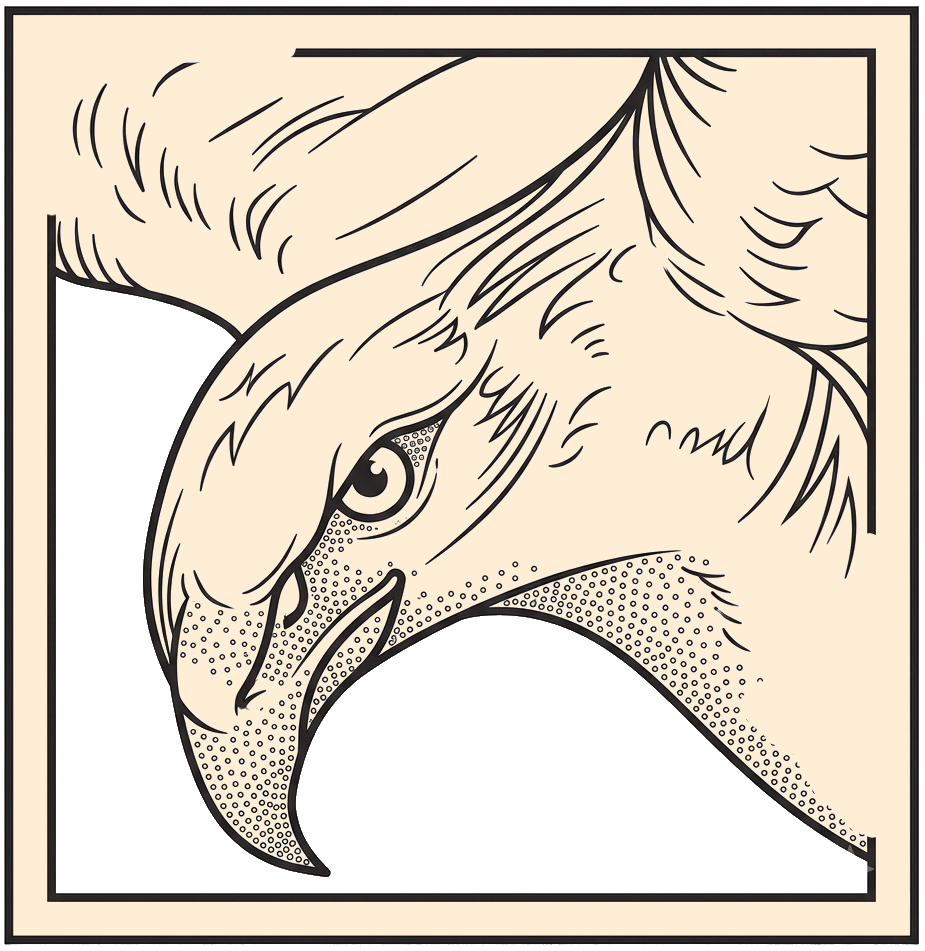
Translated as aerial, thangani refers to the transcending powers of the sky, most notably through Shukar, the eagle herald of Ba – the god of magic. The eagle is itself a general symbol of higher spiritual states, being the only creature who can stare unflinchingly into the sun to take into itself the divine light of Jumara. This unique ability symbolizes Shukar’s talent for direct perception that eventually may lead to enlightenment. Thus, it is said that only the pure of heart may gaze directly upon eternal brightness.
Within Batu cosmogony, thangani is associated with Shukar from when the eagle was sent by Ba to teach men the transcendental powers of the sky. The first person the eagle came upon in his quest was a woman sleeping beneath a tree. Swooping down upon her, Shukar’s talons gripped her thighs as he entered the woman’s womb and impregnated her. Nine moons later she gave birth to the first shaman, and it was through him that the principle of thangani was passed down from the sky to the world of men.
Withing shamanism, many shamans transform into an eagle on their vision quests, using the power of thangani to fly as Shukar does between the four realms of existence. Shukar also serves as a spirit guide for the shaman and can often be seen as a carving at the top of a shaman’s staff, the shaman’s quartz crystal gripped within the eagle’s talons.
As a talisman, thangani is linked to an eagle’s feather that is often placed upon the head of a sick person with the belief that the illness will be carried away like the soul of the shaman during his spirit-flight.
/ w /
wäna / wä ́·nə /
Since the Batu believe themselves to be directly related to all living oranisms, they do not have a word that differentiates man as a species per se; however, wäna is a principle commonly used to identify their niche within the life cycle of Mara. Wäna then is often loosely, and misleadingly, translated as human.
A more specific translation of the principle of wäna would be liberation from fear, which the Batu believe to be the only significant difference between themselves and other animals – not because they don’t experience fear, but because they’re aware that they needn’t be ruled by it. A consequence of their ability to suppress certain instincts is that their instincts are then much less dependable than those of other creatures, forcing them to be more creative in their methods of survival.
Though all men possess the principle of wäna to one degree or another, it is particularly pronounced in some, and it is often within those that the shamanic gift is to be found. The shaman is always identified in childhood, usually stemming from an overwhelming psychological experience that develops into a neurosis within his tender mind. He is at odds with his society and becomes increasingly introverted until he falls into himself. But with the aid of a fully developed shaman, he learns to utilize his access to wäna to bridal his demons for both his benefit and that of others.
In divination, wäna signifies the need for an extension of awareness above that of the animal. The Batu feel it is their duty to expand their use of wäna, due to the belief that men were created to make the world conscious of itself.
As a talisman, or when bound to an amulet, wäna helps people override their fears and awaken to a more objective reality.
/ v /
värdi / vär ́·dē /
Translated as grounded, värdi is the essence of stability that engenders unassuming dignity. The principle of värdi is an intrinsic property sewn within the soil of Mara and is the modest, though sturdy, foundation upon which all conscious life is supported. It was because of the värdi-laced bedrock of Mara that the seeds of consciousness were first able to take root.
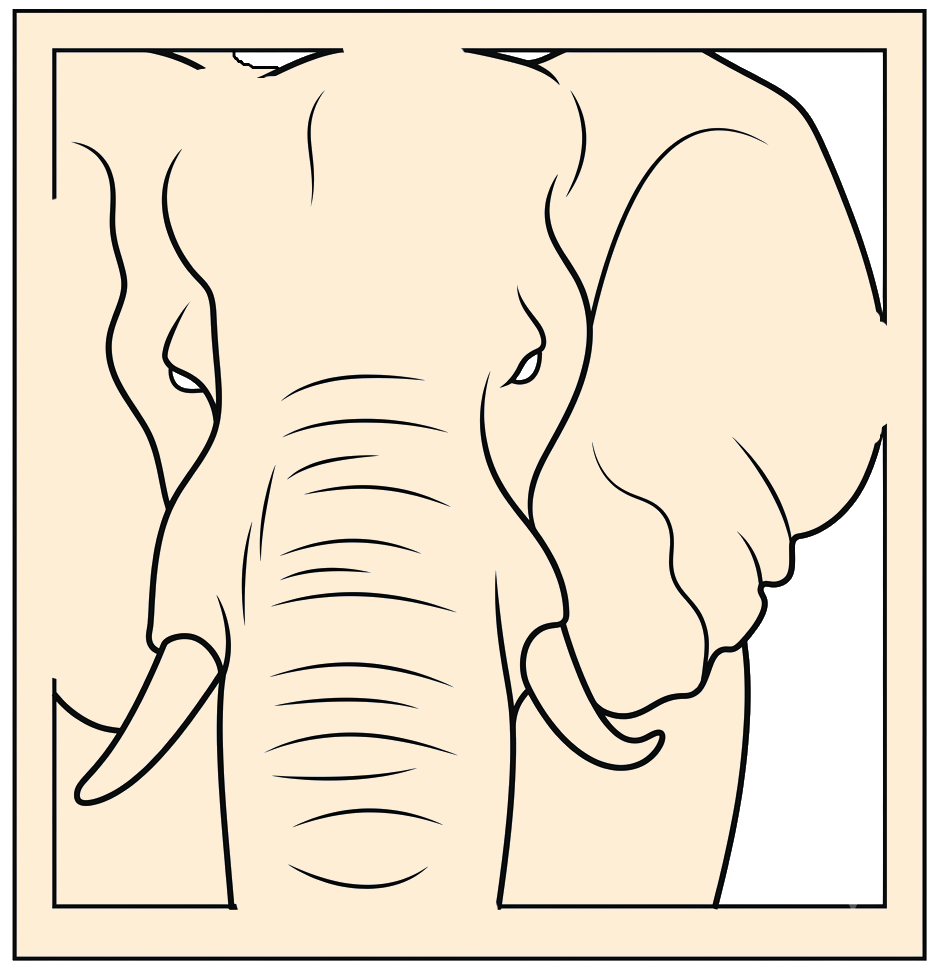
Within Batu mythology, it is Mutanda, the Lord of the Elephants, who is most closely associated with the principle of värdi. Mutanda represents the perfect marriage of strength and humility, demonstrating the heights of consciousness within the animal kingdom. The elephant is the unrivaled sovereign of the land, spanning the four corners of Mara on decades-long migrations that clear the way as he creates all the many paths of the world. Though extraordinarily self-aware, Mutanda remains firmly connected to the soil, his link to the principle of värdi symbolized in his persistent love of dust baths and by the depth of his spoor he leaves behind.
Within divination, värdi signifies the play of consciousness within the realm of Mara where life’s dramas take place. It hints at a yearning to grow beyond the material without abandoning it.
As a talisman, or when bound to an amulet, värdi keeps the bearer grounded within the world while striving toward one’s potential sublimation.
33.
34.
35.
36.




tuvu̇nja / to͞o·vo͞on ́·jə /
Translated as destroying, tuvu̇nja is the tenth set and final four glyphs within the Kanar alphabet. These are the four manifestations of death within the Batu cosmogony, each signifying endings in their own way as the inevitable prelude to renewal and fresh beginnings.
/ f /
fächa / fä ́·CHə /
Commonly used to mean death, fächa more specifically refers to the release of one’s life force, known as kra.
The anemone flower is associated with fächa as the red wildflower that sprung from the site where the first man brought death into the world. Originally man was made immortal, but in an attempt to reach That Which Has No Name, the first man climbed and fell from the Great Obämti Tree that spans the four realms of existence. The man’s body landed in the underworld of Alodia near the base of the Obämti tree where his blood spread across the land and soaked into the soil. That region of Alodia is now known as The Field of the Fallen – a great expanse of scarlet anemone flowers that marks the place where death was first born.
Withing Batu cosmogony, the principle of fächa is personified as the goddess of death, Mabolo. Mabolo is often depicted as being very beautiful, though severe, with a large golden eye set vertically within her forehead. This third eye symbolizes the eye of clairvoyance at its highest level, with which she can behold the entire cosmos in a single glance. It is also said that something dies with every blink of her eye. Her other two eyes remain hidden within the black pools of her sockets – one fixed on time, the other on eternity.
In divination, fächa indicates that it is time to put the finishing touches on one’s work, tie up loose ends, and prepare to begin anew.
As a talisman, or when bound to an amulet, fächa will aid the bearer in laying down burdens and let go of emotional baggage.
/ m /
mangäza / məNG·gä ́·zə /
Meaning external, mangäza refers to the visible manifestations of death and dying. The concept of dying of old age is so rare within Batu culture that mangäza doesn’t pertain to the visible signs of aging so much as it does with bodily injury and violent death. This aspect of death is predominant within the lifestyle of men as hunters, where the signs of mangäza are commonplace.
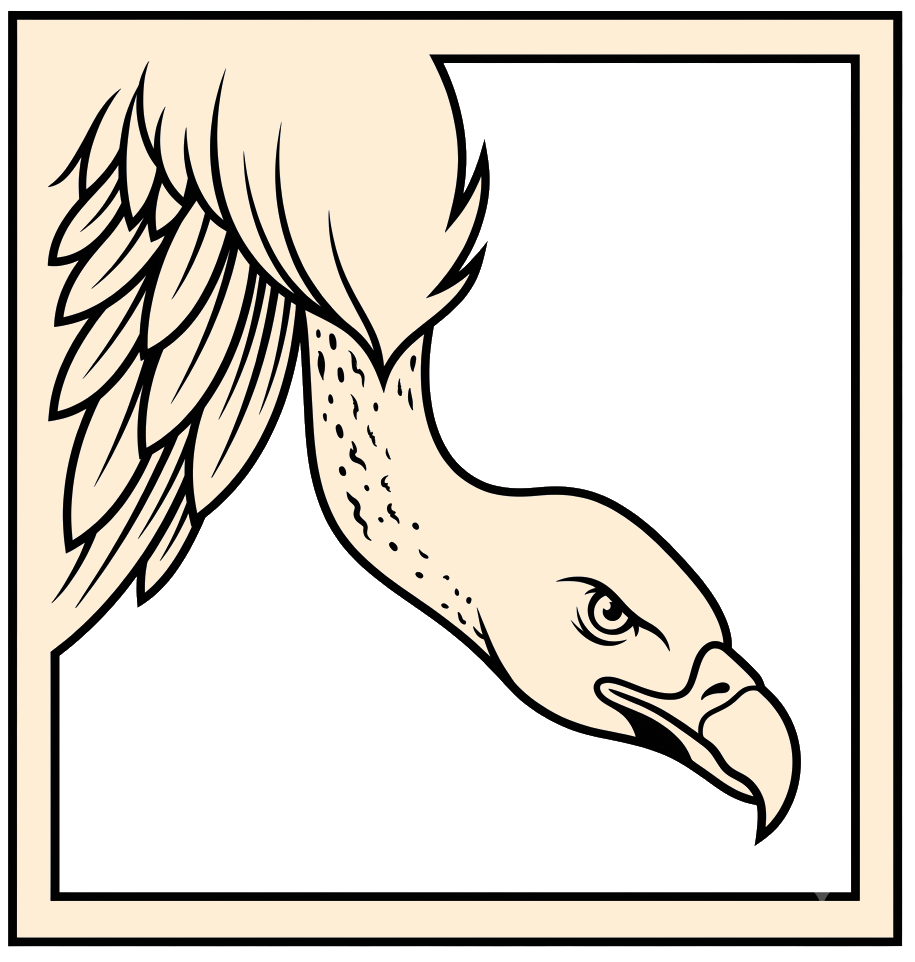
Within Batu cosmogony, mangäza is intimately linked with Jabwe, the vulture herald of Mabolo. It is the vulture Jabwe who wrestles with life on an individual basis, always appearing on the scene of violence that foreshadows death. As the herald of Mabolo, Jabwe serves as a guardian of the life cycle, removing the physical remains of life to ensure the cycle of renewal and transmutation.
Withing divination, the glyph of mangäza is viewed as a bad omen, like witnessing the flight of vultures. Jabwe is strongly associated with oracular powers, so divination practices will often utilize vulture feathers within their ritual readings.
As a talisman, or when bound to an amulet, mangäza will aid the bearer in avoiding fatal injuries and ward off the vulture of death.
/ p /
pätika / pä·tē ́·kə /
Translated as internal, pätika is the compliment of mangäza and refers to the invisible manifestations of death and dying. The principal action of pätika is the inner decay – the little death that eats from the inside-out. This aspect of death is predominant within the lifestyles of women as foragers, where the signs of pätika are everywhere within the cyclic nature of rotting vegetation.
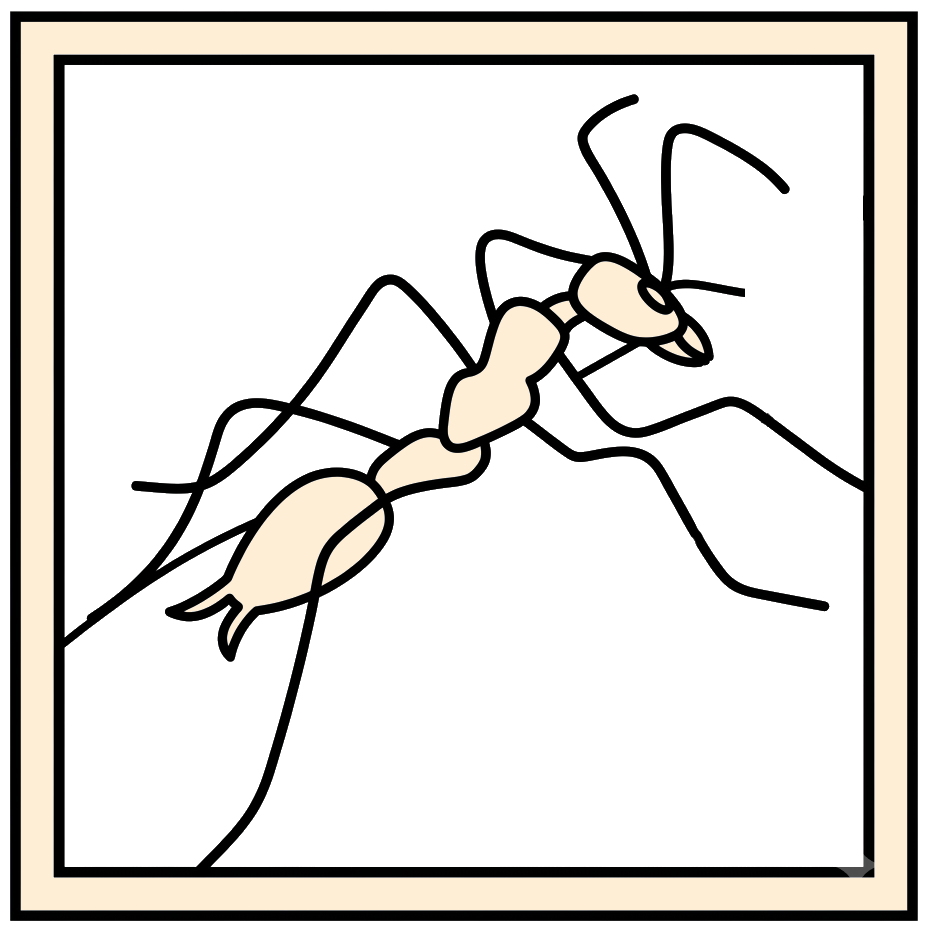
Within Batu cosmogony, pätika is paired with Walumbi, the ant manifestation of death that devours life from within. I the early days before Walumbi, the vulture Jabwe was the chief representation of death within the animal kingdom. Jabwe would fly across the land and wrestle every living thing in turn, and if that creature could throw down Jabwe it would live. If not, it would die. But then, one day Mabolo, the goddess of death, saw how a colony of ants had brought down the largest tree in the jungle by slowly eating away at its innards. It was not long after this when Walumbi came into the world. Rather than fighting each life form one by one, Walumbi is born already inside all life. Life carries within itself the little death that eats with a multitude of small bites so that even if Jabwe fails, Walumbi will still bring it down.
In divination, pätika points to an inner decay or disease, whether physical or psychological. Yet this is not generally perceived as an attack, but as a natural component within the organic cyclic nature of life, where death is the essential prelude to life.
As a talisman, or when bound to an amulet, pätika will protect the bearer from poisons and disease. This works by signaling to Walumbi that he need not bother with this one who already carries pätika on his person.
/ b /
bazäli / bə·zä ́·lē /
Literally translated as the ending, bazäli is the absolute darkness that follows all actions in life – bazäli being the ultimate antithesis of creativity.
Within Batu cosmology, bazäli is most clearly seen as the conquest of darkness over light that occurs during a solar eclipse. The solar eclipse thus represents the consuming nature of darkness, and is the celestial aspect of Mabolo, the goddess of death.
Within Batu cosmogony, however, it is Mab who figures as the ultimate embodiment of bazäli. It is within the darkest region of Alodia, in the underworld, where Mab can be found waiting at the heart of the labyrinth – there where darkness is so profound it takes on physical form. Every living thing that dies must pass through the Labyrinth of Alodia and face Mab before moving on to the lands beyond. Even Jumara, the sun – in his manifestation as the lion, Amadou – must face and do battle with Mab each night, confronting alone his darkest shadow-self. Mab is the most mysterious aspect of death, some saying it is the daughter of chaos, or That Which Has No Name. Some believe that Mab is itself the Hira that plagues men who are sensitive to the germinating powers of bazäli. They say that Mab is coiled around their unconscious mind, so when one enters the darkness Mab is set free.
In divination, bazäli signifies the culmination of your shadow. It points to a confrontation with the darkness that is necessary before finding fulfillment and emerging reborn into the light.
As a talisman, or when bound to an amulet, bazäli aids the bearer in facing the darkness on its own terms. For it is only by going dark that one will discover their new beginning.
37.
38.
39.
40.







For more information regarding the Kanar language of the Batu – including its pronuciation, orthography, and a syllabus –
click the link below.